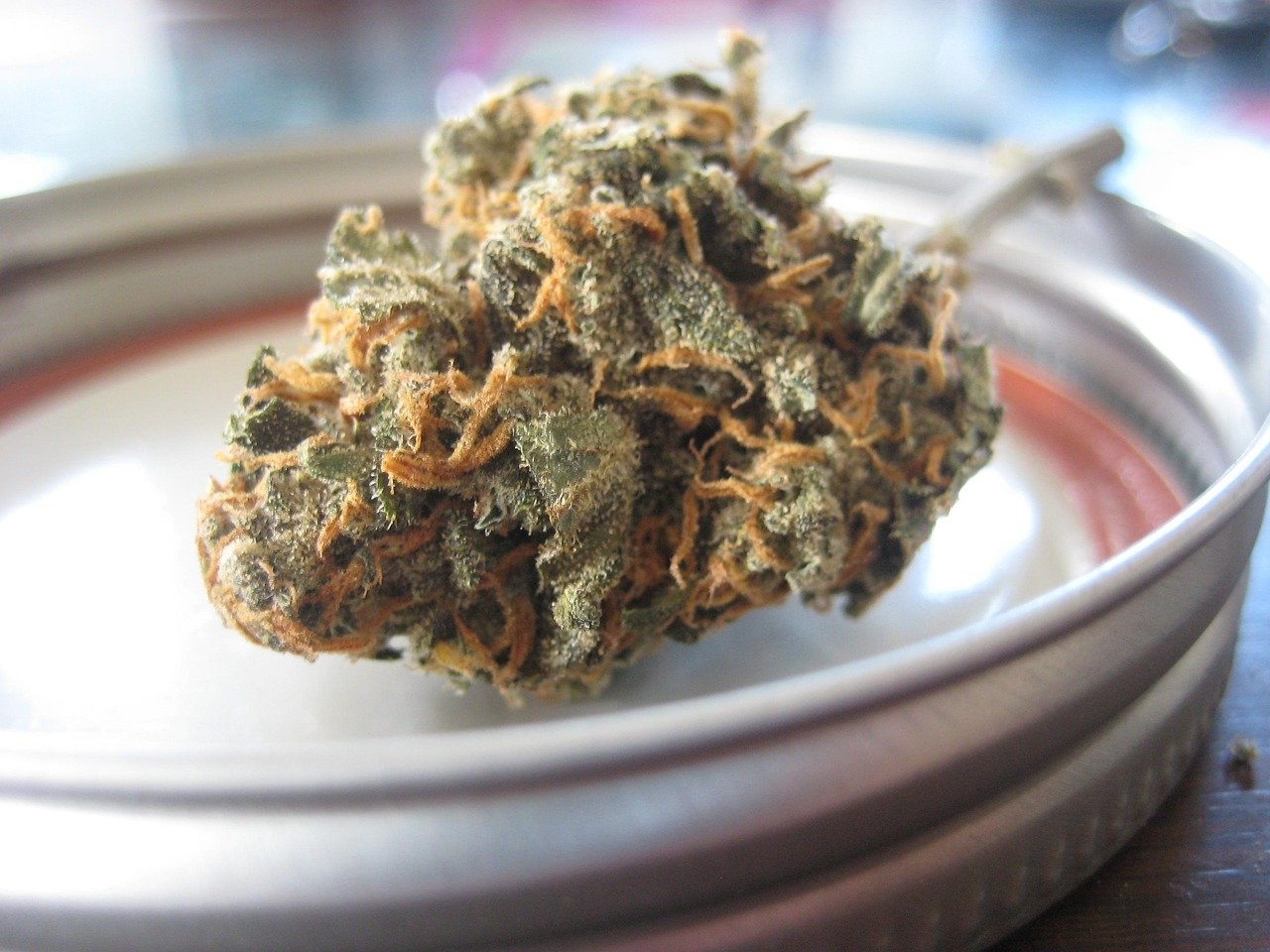
The scientific exploration into cannabis as medicine centers fundamentally on the human endocannabinoid system (ECS), a complex cell-signaling network identified in the late 1980s and early 1990s. The ECS is crucial for maintaining homeostasis, influencing a vast array of physiological processes including pain sensation, mood, appetite, sleep, memory, and immune function. Its primary components are cannabinoid receptors (CB1 and CB2), endogenous cannabinoids (endocannabinoids like anandamide and 2-arachidonoylglycerol, or 2-AG), and enzymes responsible for their synthesis and degradation (fatty acid amide hydrolase or FAAH, and monoacylglycerol lipase or MAGL). CB1 receptors are predominantly found in the brain and central nervous system, mediating psychoactive effects and influencing neurological functions, while CB2 receptors are primarily located in the peripheral nervous system, immune cells, and gut, modulating inflammation and pain.
Phytocannabinoids, compounds derived from the Cannabis sativa plant, interact with this intrinsic system. The most extensively studied are Delta-9-tetrahydrocannabinol (THC) and cannabidiol (CBD). THC is the primary psychoactive component, exerting its effects mainly by directly binding to and activating CB1 receptors. This interaction is responsible for its euphoric properties but also underlies its therapeutic benefits, including potent analgesia, antiemetic effects (reducing nausea and vomiting), and appetite stimulation. For patients undergoing chemotherapy or suffering from chronic wasting conditions, THC’s ability to stimulate hunger and alleviate sickness can significantly improve quality of life.
CBD, in contrast, is non-psychoactive and does not directly bind to CB1 or CB2 receptors with high affinity. Instead, its therapeutic actions are diverse and involve multiple molecular targets. CBD modulates the ECS indirectly by inhibiting FAAH, thereby increasing levels of anandamide, and by interacting with other non-cannabinoid receptors such as serotonin 5-HT1A receptors (contributing to its anxiolytic and antidepressant effects), transient receptor potential vanilloid 1 (TRPV1) channels (involved in pain perception and inflammation), and G-protein coupled receptor 55 (GPR55). This complex pharmacology endows CBD with significant anti-inflammatory, anxiolytic, anticonvulsant, antipsychotic, and neuroprotective properties, making it a subject of intense medical cannabis research.
Beyond THC and CBD, cannabis contains over 100 other cannabinoids, including cannabigerol (CBG), cannabinol (CBN), tetrahydrocannabivarin (THCV), and cannabichromene (CBC), each with emerging therapeutic potential. CBG, often referred to as the “mother cannabinoid,” shows promise as an anti-inflammatory, antibacterial, and neuroprotectant. CBN, a degradation product of THC, is mildly sedative and may contribute to sleep regulation. THCV is being investigated for its appetite-suppressing and blood sugar-regulating properties, potentially beneficial for diabetes and obesity. The “entourage effect” hypothesis posits that these various cannabinoids, along with terpenes (aromatic compounds) and flavonoids (pigments), work synergistically to enhance therapeutic benefits and mitigate potential side effects compared to isolated compounds. Terpenes like myrcene, limonene, and beta-caryophyllene not only contribute to cannabis’s distinct aroma but also possess their own therapeutic actions, influencing how cannabinoids interact with the body.
The therapeutic frontiers for medical cannabis are expanding rapidly. In chronic pain management, cannabis medicine offers an alternative or adjunct to conventional opioids, particularly for neuropathic pain, inflammatory conditions like arthritis, and cancer-related pain. Its analgesic effects are mediated through CB1 receptor activation in the central nervous system and CB2 receptor activation in peripheral tissues, reducing inflammation and modulating pain signals. Patients with multiple sclerosis (MS) frequently report relief from spasticity, neuropathic pain, and sleep disturbances with cannabis use, leading to the approval of cannabinoid-based medications like Sativex (nab
Recent Comments