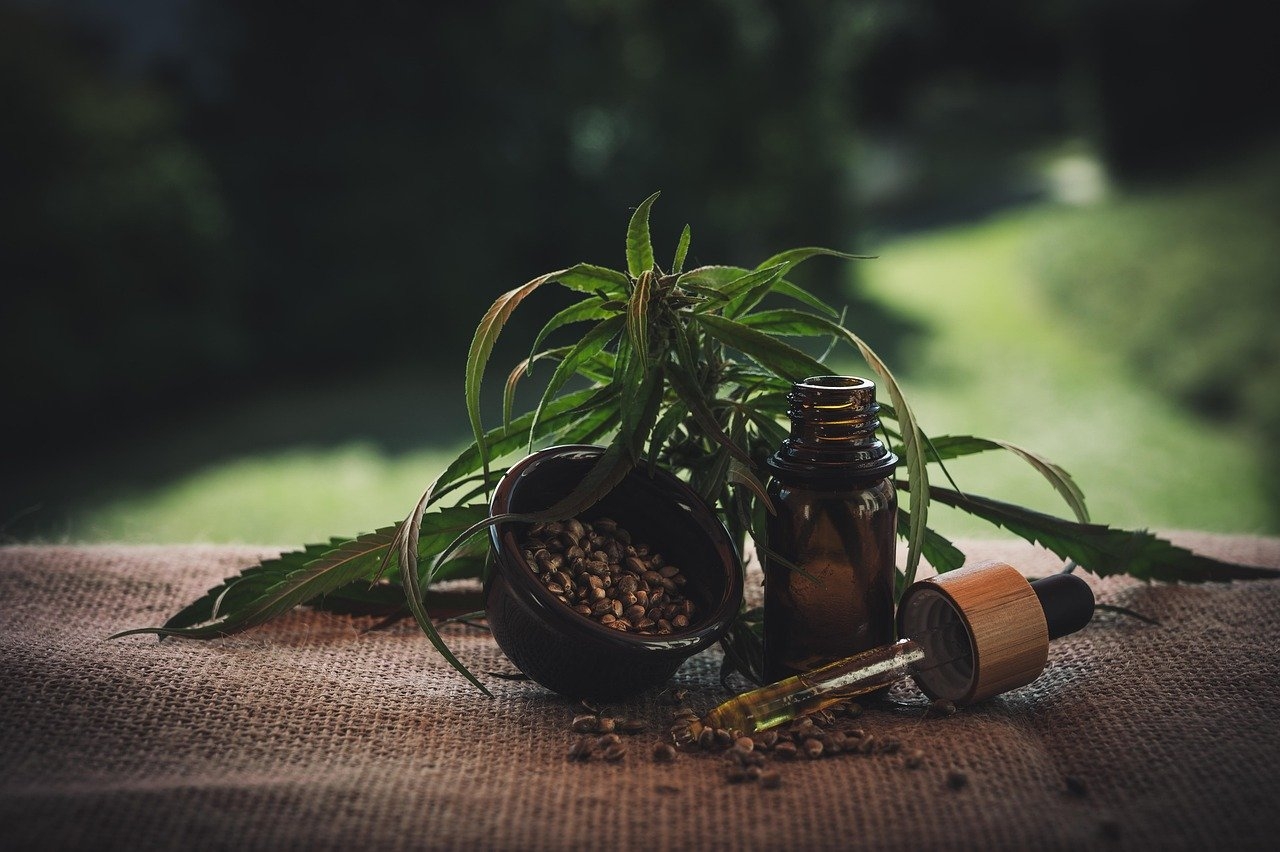
Understanding Cannabidiol (CBD) and the Endocannabinoid System
Cannabidiol, commonly known as CBD, is a non-intoxicating compound derived primarily from the hemp plant, a variety of Cannabis sativa. Unlike its more famous cousin, tetrahydrocannabinol (THC), CBD does not produce a psychoactive “high.” Its therapeutic potential stems from its interaction with the body’s endocannabinoid system (ECS). The ECS is a complex cell-signaling system identified in the early 1990s, playing a crucial role in regulating a wide range of physiological processes and maintaining homeostasis. This intricate system involves endocannabinoids (naturally produced compounds), cannabinoid receptors (CB1 and CB2), and enzymes that synthesize and degrade endocannabinoids. CB1 receptors are predominantly found in the brain and central nervous system, influencing pain, mood, memory, and appetite. CB2 receptors are more common in the peripheral nervous system and immune cells, affecting inflammation and immune response. CBD doesn’t directly bind to these receptors but modulates them, enhancing the body’s natural endocannabinoids and influencing other non-cannabinoid receptors and ion channels, which explains its diverse potential therapeutic effects. Understanding this interaction is fundamental to evaluating CBD oil’s role in managing chronic conditions.
Potential Benefits for Managing Chronic Conditions
Research into CBD’s efficacy for chronic conditions is ongoing, but preliminary studies and anecdotal evidence suggest several potential benefits. For individuals grappling with persistent health issues, these areas are particularly relevant:
- Pain Management: One of the most widely explored applications of CBD is for chronic pain. This includes neuropathic pain (nerve damage), inflammatory pain (arthritis, IBS), and general musculoskeletal pain. CBD’s anti-inflammatory properties are thought to play a significant role here, reducing swelling and discomfort. It may also influence pain perception pathways in the brain.
- Inflammation Reduction: Chronic inflammation is a hallmark of many debilitating conditions, from autoimmune diseases to metabolic disorders. CBD has demonstrated immunomodulatory and anti-inflammatory effects by interacting with various receptors and pathways involved in the inflammatory response, potentially offering relief from conditions like rheumatoid arthritis or inflammatory bowel disease.
- Anxiety and Depression: Chronic physical conditions often co-occur with psychological distress. CBD has shown promise in reducing anxiety and depression symptoms by interacting with serotonin receptors (5-HT1A), which regulate mood and social behavior. This can be particularly beneficial for those whose chronic pain or illness exacerbates their mental health.
- Improved Sleep Quality: Pain, anxiety, and other symptoms associated with chronic conditions frequently disrupt sleep. By addressing underlying pain and anxiety, CBD may indirectly contribute to better sleep. Some studies also suggest CBD can directly influence sleep-wake cycles, promoting relaxation and deeper rest.
- Nausea and Appetite Regulation: For conditions involving gastrointestinal distress or treatment side effects like chemotherapy, CBD may help alleviate nausea and stimulate appetite, improving overall comfort and nutritional intake.
Specific Chronic Conditions and CBD’s Potential Role
While not a cure, CBD oil may offer symptomatic relief and improve the quality of life for individuals with various chronic conditions:
- Arthritis (Osteoarthritis and Rheumatoid Arthritis): CBD’s anti-inflammatory and pain-relieving properties make it a candidate for managing joint pain and stiffness associated with both types of arthritis. Topical CBD applications are often favored for localized relief.
- Fibromyalgia: Characterized by widespread chronic pain, fatigue, and cognitive difficulties, fibromyalgia patients often seek alternative treatments. CBD’s potential to modulate pain perception and reduce inflammation may offer some relief.
- Multiple Sclerosis (MS): MS involves chronic inflammation and nerve damage, leading to muscle spasms, pain, and fatigue. CBD, particularly in conjunction with THC (as in some prescription cannabis-based medicines), has shown promise in reducing spasticity and neuropathic pain.
- Inflammatory Bowel Disease (IBD – Crohn’s Disease, Ulcerative Colitis): CBD’s anti-inflammatory effects on the gut lining could potentially alleviate symptoms like abdominal pain, cramping, and diarrhea, though more human trials are needed.
- Chronic Neuropathic Pain: Conditions like diabetic neuropathy or post-herpetic neuralgia involve persistent nerve pain. CBD’s interaction with pain pathways and its neuroprotective properties are areas of active research for managing such complex pain.
- Generalized Anxiety Disorder and Panic Disorder: For individuals experiencing chronic anxiety, CBD’s anxiolytic properties may help reduce the frequency and intensity of anxiety attacks and promote a sense of calm.
Medical Considerations and Safety
Before incorporating CBD oil into your regimen for a chronic condition, consulting a healthcare professional is paramount. This is not merely a recommendation but a critical safety step. A doctor can assess your specific condition, current medications, and overall health to determine if CBD is appropriate and to guide dosage.
- Drug Interactions: CBD can interact with certain medications, particularly those metabolized by cytochrome P450 enzymes in the liver. This includes blood thinners (like warfarin), some antidepressants, anti-epileptics, benzodiazepines, and even grapefruit juice (which also affects these enzymes). Interactions can increase or decrease the concentration of these drugs in the bloodstream, leading to potential adverse effects or reduced efficacy.
- Side Effects: While generally well-tolerated, some individuals may experience mild side effects such as fatigue, diarrhea, changes in appetite, or dry mouth. These are often dose-dependent and can be mitigated by starting with a low dose and gradually increasing.
- Dosage and Administration: There is no universal “right” dose for CBD. Dosage depends on factors like body weight, the condition being treated, individual body chemistry, and the concentration of the CBD product. The common
Recent Comments