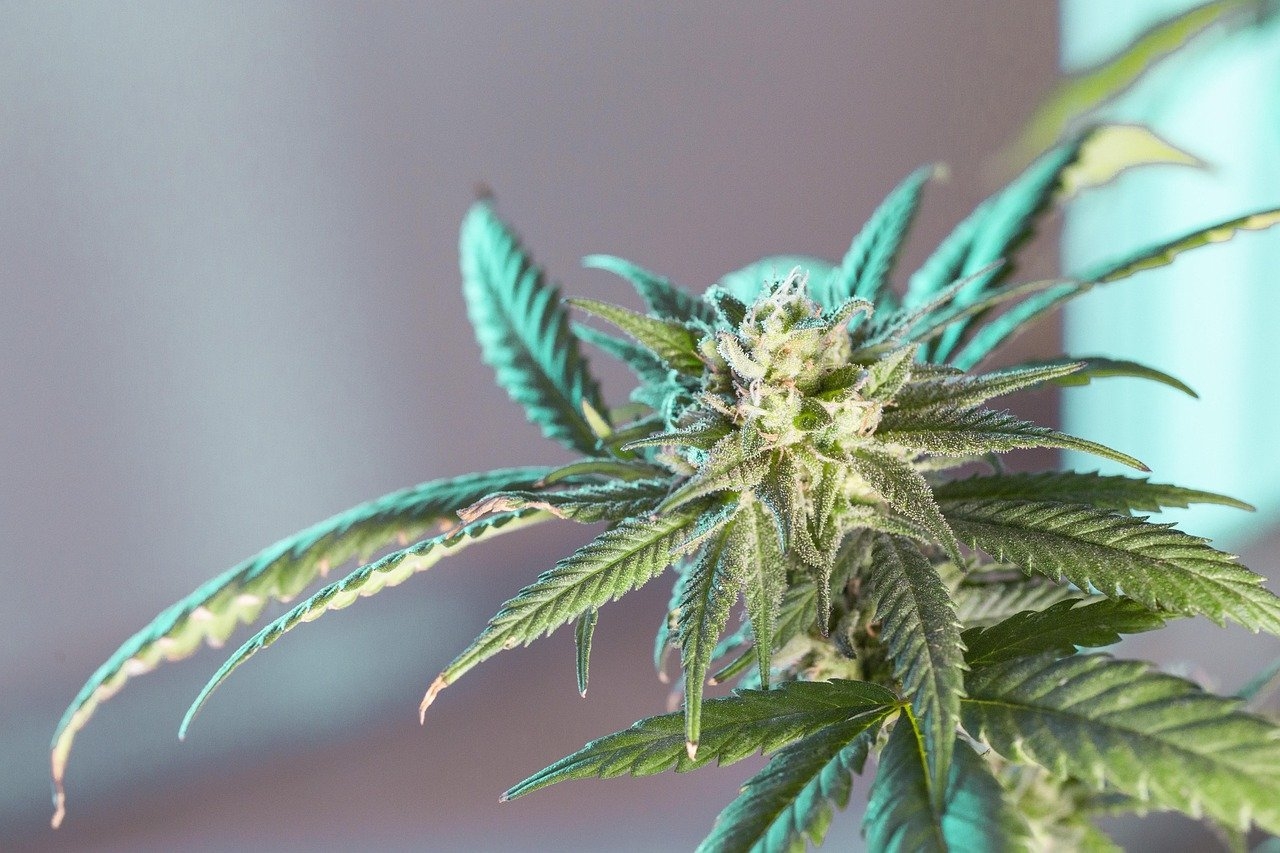
Unlocking Potential: The Importance of Cannabis Research
The burgeoning global interest in cannabis, both for medicinal and recreational purposes, underscores an urgent and undeniable need for robust, comprehensive scientific research. Despite its historical use spanning millennia, the plant’s intricate pharmacology and vast therapeutic potential remain largely untapped, obscured by decades of prohibition and stigmatization. Advancing cannabis research is not merely an academic pursuit; it is a critical endeavor that promises to revolutionize patient care, inform public health policy, stimulate economic growth, and deepen our understanding of fundamental human biology.
A cornerstone of this scientific exploration lies in deciphering the complex interplay of cannabinoids, terpenes, and flavonoids within the Cannabis sativa plant. While tetrahydrocannabinol (THC) and cannabidiol (CBD) have garnered significant attention, the plant contains over 100 other cannabinoids, alongside hundreds of terpenes and flavonoids, each possessing unique biological activities. Research into these minor cannabinoids—such as cannabigerol (CBG), cannabichromene (CBC), and tetrahydrocannabivarin (THCV)—is crucial. These compounds may offer distinct therapeutic profiles, potentially acting synergistically in what is known as the “entourage effect,” where the combined action of multiple cannabis compounds is greater than the sum of their individual effects. Understanding these intricate interactions is paramount for developing targeted, effective cannabis-based medicines with optimized efficacy and minimized side effects.
Central to understanding cannabis’s effects on the human body is the endocannabinoid system (ECS). This intricate biological system, discovered in the late 20th century, plays a vital role in regulating a wide array of physiological processes, including pain, mood, appetite, sleep, memory, and immune function. The ECS comprises endocannabinoids (naturally produced cannabis-like molecules), receptors (CB1 and CB2), and enzymes responsible for their synthesis and degradation. Cannabis research provides an unparalleled opportunity to further elucidate the ECS, identifying novel targets for drug development that extend far beyond cannabis itself. By studying how exogenous cannabinoids interact with the ECS, scientists can unlock new pathways to treat conditions ranging from neurodegenerative diseases to metabolic disorders, offering innovative therapeutic strategies that mimic or modulate the body’s natural regulatory mechanisms.
The medical applications of cannabis are a primary driver for increased research. Clinical trials are essential to rigorously evaluate its efficacy and safety across a spectrum of conditions. Current anecdotal evidence and preliminary studies suggest therapeutic potential for chronic pain management, spasticity associated with multiple sclerosis, chemotherapy-induced nausea and vomiting, epilepsy, glaucoma, and certain psychiatric disorders like anxiety and PTSD. However, definitive, large-scale, placebo-controlled trials are often lacking. Robust research is needed to establish optimal dosing regimens, routes of administration, specific cannabinoid ratios, and potential drug interactions. This scientific rigor will provide healthcare professionals with evidence-based guidelines, enabling them to confidently prescribe cannabis-derived medications and improve patient outcomes.
Beyond established uses, cannabis research holds promise for addressing unmet medical needs. Investigations into its potential role in cancer treatment—not only for symptom management but also for its direct anti-tumor properties—are ongoing. Early preclinical studies suggest certain cannabinoids may inhibit cancer cell growth, induce apoptosis, and prevent metastasis. Similarly, research into cannabis for neuroprotective effects in conditions like Alzheimer’s and Parkinson’s diseases, or its anti-inflammatory properties for autoimmune conditions, represents a frontier of medical discovery. These avenues require substantial investment in basic science, preclinical models, and subsequent human clinical trials to translate potential into proven therapies.
Regulatory barriers have historically impeded cannabis research, particularly in countries where cannabis remains a Schedule I controlled substance. This classification suggests a high potential for abuse and no accepted medical use, directly contradicting emerging scientific evidence and patient experiences. These restrictions limit access to research-grade cannabis, complicate funding mechanisms, and create significant logistical hurdles for scientists. Advocating for policy reform that facilitates legitimate scientific inquiry is crucial. Creating streamlined processes for researchers to obtain diverse, standardized cannabis strains and extracts is paramount for generating reproducible and comparable data across studies.
The economic implications of expanded cannabis research are substantial. A deeper scientific understanding will fuel innovation in the pharmaceutical, agricultural, and consumer product sectors. The development of novel cannabinoid-based drugs, precision cultivation techniques, and safe, effective consumer products will create new industries, jobs, and tax revenues. Furthermore, robust research supports the development of quality control standards, ensuring product safety and consistency for consumers, which is vital for public health. Without this research, markets risk being flooded with unregulated, potentially harmful products, undermining public trust and health.
From a public health perspective, comprehensive cannabis research is indispensable for informing evidence-based drug policies. As more jurisdictions legalize or decriminalize cannabis, understanding its long-term effects on various populations—including adolescents, pregnant women, and individuals with pre-existing mental health conditions—becomes critical. Research can identify potential risks, guide public awareness campaigns, and help design effective prevention and harm reduction strategies. It can also differentiate between the effects of various consumption methods (e.g., smoking, vaping, edibles) and their respective health implications. This data is essential for creating responsible regulatory frameworks that balance public access with public safety.
The future of cannabis research points towards personalized medicine. Genetic variations can influence how individuals respond to cannabinoids, suggesting that a “one-size-fits-all” approach may not be optimal. Research into pharmacogenomics will allow for tailoring cannabis-based therapies to an individual’s unique genetic makeup, maximizing efficacy and minimizing adverse effects. Furthermore, advanced analytical techniques, such as metabolomics and proteomics, will provide unprecedented insights into the biochemical pathways modulated by cannabis, leading to a more profound and holistic understanding of its therapeutic actions. This intricate scientific journey demands collaborative efforts from governments, academic institutions, pharmaceutical companies, and patient advocacy groups to collectively unlock the full potential of this remarkable plant.
Recent Comments