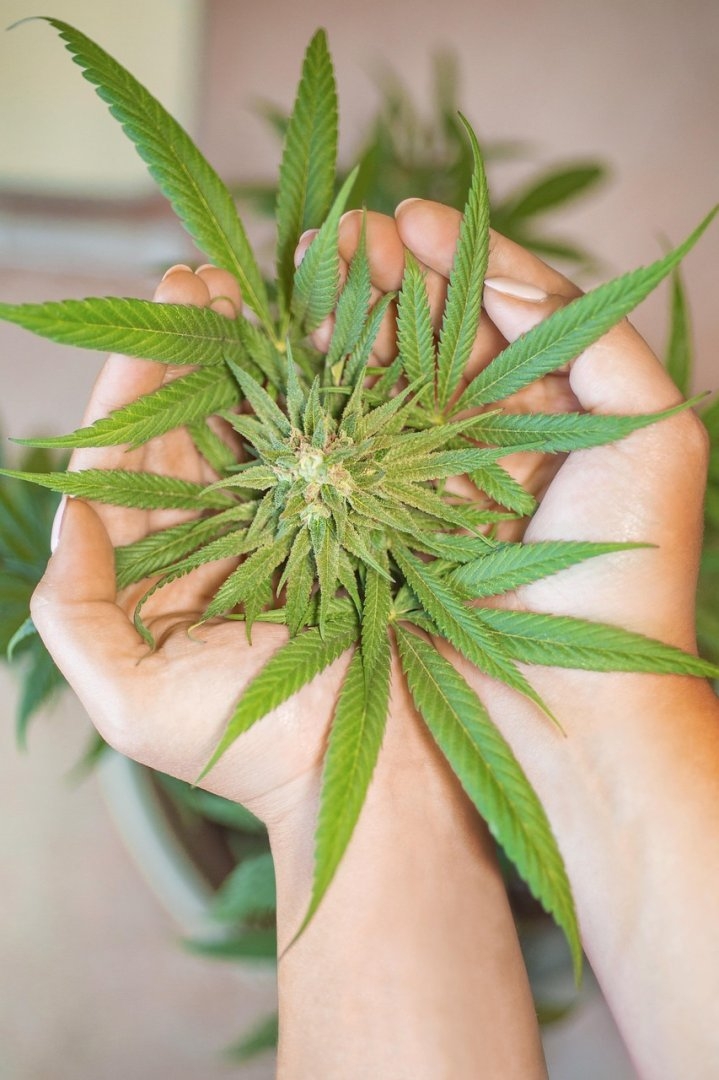
The Growing Importance of Cannabis in Modern Society
Cannabis, once relegated to the shadows of illicit drug markets and societal stigma, is rapidly emerging as a multifaceted plant with profound implications across medicine, economics, and culture. Its journey from prohibition to progressive acceptance is reshaping global paradigms, driven by evolving scientific understanding, shifting public opinion, and the tangible benefits observed in various sectors. The plant’s complex phytochemistry, particularly its cannabinoids like tetrahydrocannabinol (THC) and cannabidiol (CBD), interacts uniquely with the human endocannabinoid system (ECS), a key regulatory network influencing mood, pain, appetite, and memory. This interaction forms the bedrock of its therapeutic potential and the burgeoning interest in its widespread applications.
Medical Revolution and Therapeutic Potential
The most significant driver of cannabis’s re-evaluation is its growing recognition in modern medicine. Clinical research, though still limited by historical restrictions, increasingly validates anecdotal evidence and opens new avenues for treatment. For patients grappling with chronic pain, cannabis offers an alternative to highly addictive opioid painkillers, providing relief with a different side-effect profile. Conditions like neuropathic pain, often resistant to conventional therapies, have shown promising responses to cannabinoid treatments. Epilepsy, particularly severe forms like Dravet syndrome, has seen breakthroughs with CBD-based medications such as Epidiolex, the first FDA-approved cannabis-derived drug. This landmark approval underscored the plant’s legitimate pharmaceutical value.
Beyond pain and epilepsy, cannabis and its derivatives are being explored for a wide array of conditions. Cancer patients undergoing chemotherapy often find relief from nausea, vomiting, and appetite loss, significantly improving their quality of life. Individuals suffering from multiple sclerosis experience reduced spasticity and muscle stiffness. Emerging research also points to cannabis’s potential in managing anxiety, PTSD, and even certain neurodegenerative disorders, offering neuroprotective and anti-inflammatory properties. The precise dosing, delivery methods (tinctures, edibles, vaporizers, topicals), and specific cannabinoid ratios are continually being refined to maximize therapeutic efficacy while minimizing unwanted psychoactive effects, pushing cannabis from an illicit substance to a sophisticated therapeutic tool.
Economic Catalyst and Industry Boom
The legalization and decriminalization of cannabis across numerous jurisdictions have ignited a robust economic engine, creating a legitimate, multi-billion-dollar global industry. This burgeoning sector generates substantial tax revenues for governments, which are often earmarked for public services, education, or infrastructure projects. In the United States, states with legal adult-use cannabis markets have reported billions in tax collections, demonstrating a powerful fiscal impact. The industry is a significant job creator, spanning cultivation, processing, manufacturing, retail, distribution, security, and ancillary services like marketing, legal, and financial support. From agricultural workers to biochemists and dispensary managers, a diverse workforce is finding opportunities within this rapidly expanding field.
Investment in cannabis enterprises is soaring, attracting venture capitalists, private equity firms, and even mainstream institutional investors. This influx of capital fuels innovation, drives technological advancements in cultivation and product development, and facilitates market expansion. Real estate markets in legal states have seen increased demand for grow facilities, processing plants, and retail storefronts. Furthermore, cannabis tourism is emerging as a niche market, drawing visitors to regions where adult-use is permitted, further boosting local economies through hospitality, accommodation, and related services. The formal cannabis economy is effectively displacing illicit markets, bringing product quality, safety, and taxation under regulatory oversight, transforming a once underground trade into a transparent, accountable industry.
Societal Transformation and Cultural Re-evaluation
The evolving legal landscape surrounding cannabis has catalyzed a profound shift in societal attitudes and cultural perceptions. Decades of prohibitionist propaganda are being dismantled as more jurisdictions recognize the economic and social benefits of regulated cannabis markets. This paradigm shift contributes to a significant reduction in cannabis-related arrests and incarcerations, alleviating pressure on overstretched criminal justice systems and addressing historical injustices disproportionately affecting minority communities. The focus of law enforcement can then be redirected towards more serious crimes, fostering a more equitable and efficient justice system.
Cannabis is increasingly being integrated into mainstream culture, shedding its counter-culture image. Wellness brands are incorporating CBD and other cannabinoids into lotions, tinctures, and dietary supplements, positioning them as natural remedies for stress, sleep, and overall well-being. The culinary world is experimenting with cannabis-infused foods and beverages, moving beyond simple edibles to gourmet experiences. Celebrities and public figures openly discuss their cannabis use for medicinal or recreational purposes, further normalizing its consumption. This cultural mainstreaming is fostering open dialogue, reducing stigma, and allowing individuals to make informed choices about cannabis use without fear of social ostracization, reflecting a broader societal acceptance of personal autonomy and evidence-based policy.
Scientific Frontiers and Endocannabinoid System Insights
The growing importance of cannabis is inseparable from the accelerating pace of scientific research. The discovery of the endocannabinoid system (ECS) in the late 20th century revolutionized our understanding of human physiology and provided a scientific basis for cannabis’s effects. The ECS, a complex cell-signaling system,
Recent Comments