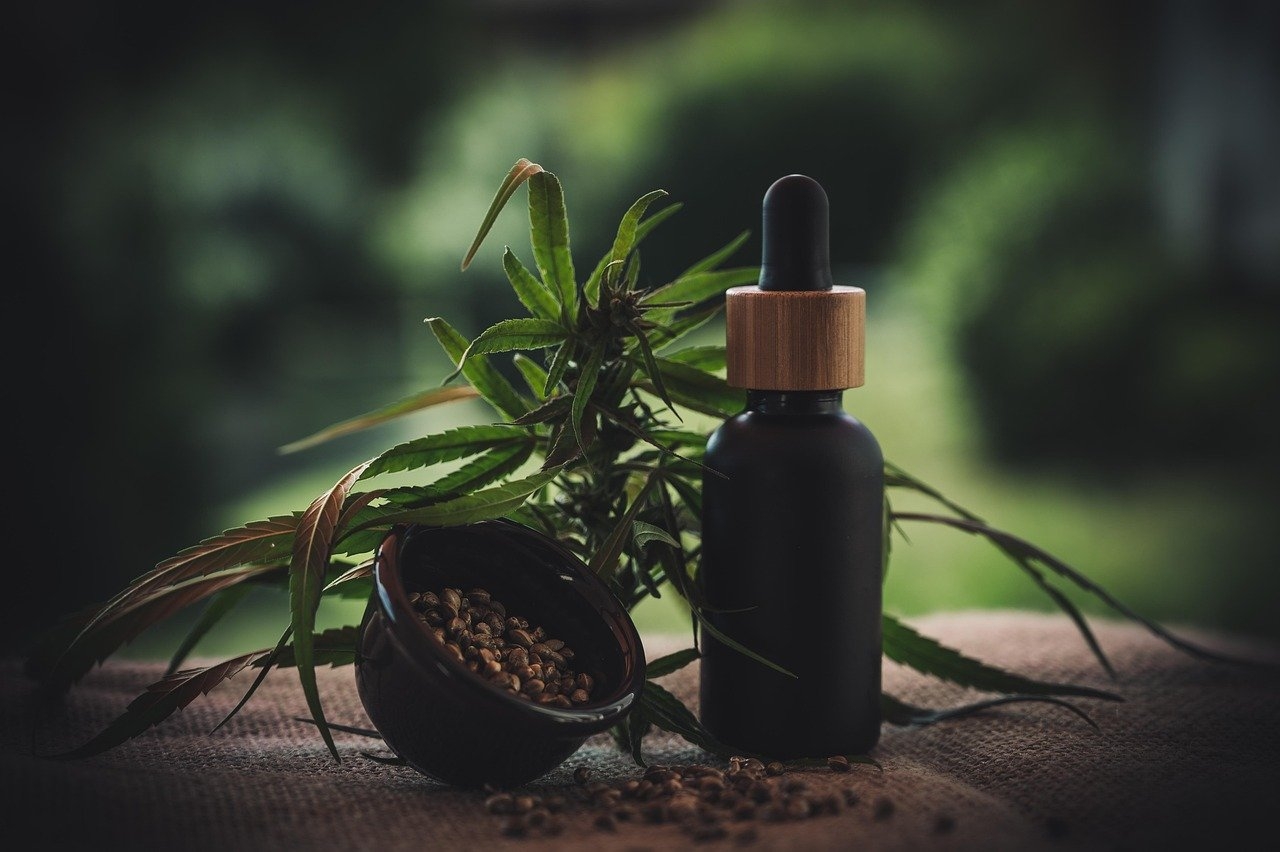
Health anxiety, often termed illness anxiety disorder or hypochondria, involves a persistent preoccupation with having a serious illness, despite minimal or no somatic symptoms, or disproportionate to the severity of any existing medical condition. Individuals experience intrusive thoughts, excessive worry, and repetitive behaviors like body checking, seeking reassurance from doctors, or avoiding medical information altogether. This chronic stress can significantly impair daily functioning, relationships, and overall quality of life, leading to a vicious cycle where anxiety itself manifests as physical symptoms, further fueling health-related fears. Managing health anxiety requires a multi-faceted approach, and an increasing number of individuals are exploring natural adjuncts like cannabidiol (CBD) to support their mental well-being.
CBD, a non-psychoactive compound derived from the cannabis plant, has gained significant attention for its potential therapeutic benefits, particularly in managing anxiety and stress. Unlike tetrahydrocannabinol (THC), CBD does not produce a “high.” Its mechanisms of action are complex but primarily involve interacting with the body’s endocannabinoid system (ECS), a vast network of receptors and neurotransmitters that regulates various physiological processes, including mood, sleep, appetite, and immune response. By influencing ECS receptors like CB1 and CB2, CBD may help restore balance within the body.
Beyond the ECS, CBD interacts with several other receptor systems implicated in anxiety regulation. One key area is its interaction with serotonin 5-HT1A receptors, which play a crucial role in mood and anxiety. CBD has been shown to modulate serotonin signaling, similar to how some antidepressant and anxiolytic medications work, potentially leading to a calming effect. Additionally, CBD may influence gamma-aminobutyric acid (GABA) receptors, enhancing the inhibitory neurotransmitter GABA, which helps quiet overactive brain activity, a common feature in anxiety disorders. For those grappling with health anxiety, this potential to modulate neural pathways associated with fear and worry is particularly appealing.
The specific benefits of CBD for health anxiety often revolve around reducing the intensity and frequency of anxious thoughts and physiological manifestations. Many users report a reduction in rumination – the repetitive dwelling on negative thoughts about health – which is a hallmark of health anxiety. By promoting a sense of calm and mental clarity, CBD may help individuals detach from intrusive health-related worries. Furthermore, health anxiety frequently manifests with physical symptoms like racing heart, muscle tension, stomach upset, and difficulty sleeping. CBD’s anti-inflammatory and anxiolytic properties may help alleviate these physical symptoms, breaking the cycle where somatic sensations trigger further anxiety. Improved sleep quality, a common benefit reported by CBD users, is also vital, as sleep deprivation can exacerbate anxiety and impair coping mechanisms.
When considering CBD for health anxiety, understanding the different types of products is crucial. Full-spectrum CBD contains all cannabinoids naturally found in the cannabis plant, including trace amounts of THC (up to 0.3%). This type is often favored due to the “entourage effect,” a theory suggesting that cannabinoids, terpenes, and other plant compounds work synergistically to enhance therapeutic benefits. Broad-spectrum CBD contains multiple cannabinoids and plant compounds but has had all detectable THC removed. It offers some benefits of the entourage effect without the concern of THC. CBD isolate is pure CBD, with all other plant compounds removed. While it lacks the entourage effect, it’s ideal for those who wish to avoid THC entirely. For managing complex conditions like health anxiety, full or broad-spectrum products are often recommended due to their potentially broader therapeutic profile.
Choosing a high-quality CBD product is paramount for safety and efficacy. The market is largely unregulated, making due diligence essential. Look for brands that provide third-party lab testing results (Certificates of Analysis, or COAs) for every batch. These COAs verify the product’s CBD content, confirm the absence of harmful contaminants like heavy metals, pesticides, and molds, and ensure THC levels are within legal limits. Reputable companies will make COAs easily accessible on their websites. Opt for products derived from organically grown hemp to minimize exposure to pesticides. Transparency in sourcing and manufacturing processes is another key indicator of a trustworthy brand.
Determining the optimal CBD dosage for health anxiety is highly individualized and often requires a “start low, go slow” approach. Factors such as body weight, metabolism, the severity of anxiety, and individual body chemistry all influence how CBD affects a person. There is no one-size-fits-all dosage. Begin with a low dose, such as 5-10 mg, once or twice daily, and gradually increase by 5 mg every few days until desired effects are achieved. Keeping a journal to track dosage, timing, and perceived effects can be incredibly helpful. Consistency is key; CBD is often most effective when taken regularly rather than sporadically. Many find relief at dosages ranging from 20-60 mg per day, though some may require more.
CBD can be consumed in various forms, each with different onset times and durations of effect. CBD oils and tinctures are administered sublingually (under the tongue), offering relatively fast absorption (15-30 minutes) and effects lasting several hours. CBD capsules and edibles provide a convenient, pre-dosed option, but absorption is slower as they must pass through the digestive system (30-90 minutes), with effects lasting longer. CBD vapes offer the fastest onset of action (minutes) as CBD enters the bloodstream directly through the lungs, but the effects are generally shorter-lived. Topicals are generally not
Recent Comments