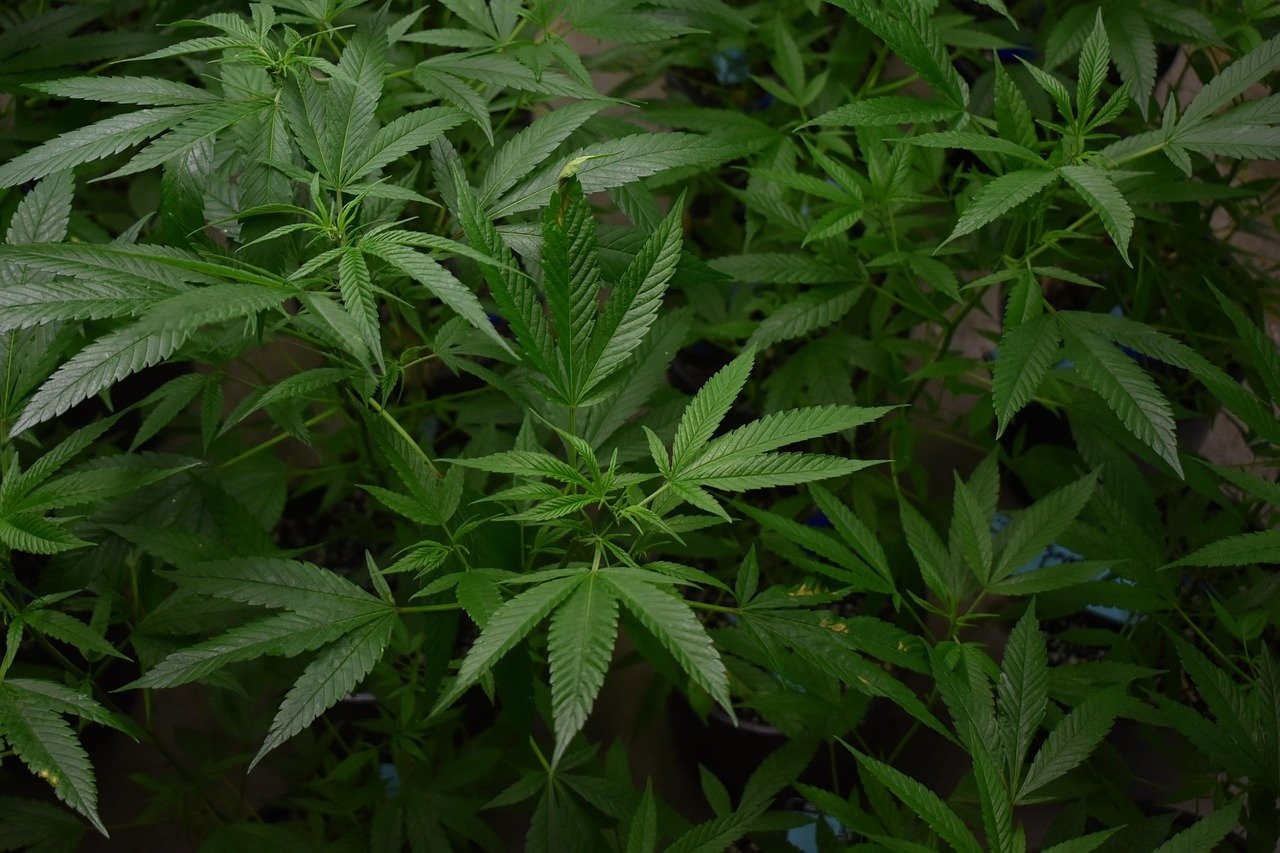
The intricate relationship between the human body and cannabis has unveiled a profound landscape of therapeutic possibilities, particularly in the realms of chronic pain management and mental health support. For millennia, various cultures have recognized marijuana’s medicinal properties, a recognition now being rigorously validated by modern scientific inquiry. At the heart of its medical impact lies the endocannabinoid system (ECS), a complex cell-signaling network discovered in the early 1990s. This system plays a crucial role in regulating a vast array of physiological processes, including pain sensation, mood, appetite, sleep, and immune function. Phytocannabinoids, such as tetrahydrocannabinol (THC) and cannabidiol (CBD), found in the cannabis plant, interact with cannabinoid receptors (CB1 and CB2) within the ECS, modulating these functions and offering a unique avenue for therapeutic intervention.
Marijuana’s Efficacy in Chronic Pain Management
Chronic pain, defined as pain lasting longer than three months, afflicts millions globally, significantly diminishing quality of life and often leading to reliance on potent, addictive pharmaceuticals like opioids. Medical marijuana has emerged as a promising alternative or adjunct therapy, offering relief across various pain etiologies. THC, the primary psychoactive component, binds to CB1 receptors in the brain and spinal cord, directly influencing pain perception and reducing inflammation. CBD, non-psychoactive, modulates pain by interacting with other receptors and pathways, including serotonin and vanilloid receptors, and by exhibiting anti-inflammatory and neuroprotective properties.
For neuropathic pain, often described as burning, tingling, or shooting sensations, cannabis has shown particular promise. Conditions like diabetic neuropathy, multiple sclerosis (MS)-related pain, and post-herpetic neuralgia often respond positively to cannabinoid therapies, where conventional treatments frequently fall short. Patients with inflammatory conditions such as arthritis, fibromyalgia, and Crohn’s disease also report significant pain reduction and improved functionality. Furthermore, studies indicate that medical cannabis can help reduce opioid consumption among chronic pain patients, mitigating the risks associated with long-term opioid use, including dependence and overdose. The synergistic effect of various cannabinoids and terpenes (aromatic compounds in cannabis) – often referred to as the “entourage effect” – is believed to enhance therapeutic outcomes, providing broader pain relief with fewer side effects than isolated compounds.
Addressing Mental Health Challenges with Medical Cannabis
The impact of marijuana extends significantly into the domain of mental health, where its role is complex and multifaceted, requiring careful consideration of individual patient profiles and cannabinoid ratios.
Anxiety Disorders: For many, cannabis, particularly strains high in CBD or balanced THC/CBD ratios, can offer anxiolytic effects. CBD is widely studied for its potential to reduce anxiety by influencing serotonin receptors, similar to some conventional antidepressants. It can help calm the nervous system, alleviate panic attacks, and reduce social anxiety. However, high doses of THC can sometimes induce or exacerbate anxiety and paranoia in susceptible individuals, highlighting the importance of personalized dosing and strain selection under medical guidance.
Depression: While not a primary treatment for severe depression, some individuals find that certain cannabis strains can elevate mood, improve motivation, and enhance overall well-being. The interaction of cannabinoids with the ECS, which influences neurotransmitter release, may contribute to these effects. It’s crucial to note that cannabis can also potentially mask underlying depressive symptoms or lead to apathy in some users, necessitating careful monitoring and professional consultation.
Post-Traumatic Stress Disorder (PTSD): Research into cannabis for PTSD is growing, with many patients reporting significant relief from symptoms like intrusive thoughts, nightmares, hypervigilance, and insomnia. THC, particularly at night, may help suppress REM sleep, reducing the frequency and intensity of nightmares. CBD’s anxiolytic and neuroprotective properties also contribute to a sense of calm and emotional regulation. The ability of cannabinoids to modulate memory consolidation and extinction learning in the amygdala is a key area of scientific interest for PTSD treatment.
Insomnia and Sleep Disorders: Sleep disturbances are common comorbidities of both chronic pain and mental health conditions. Cannabis, particularly strains with higher THC content and specific terpenes like myrcene, can act as a sedative, helping patients fall asleep faster and stay asleep longer. By reducing pain and anxiety, cannabis indirectly improves sleep quality, breaking the vicious cycle where pain and anxiety perpetuate insomnia.
Beyond Pain and Mental Health: Other Noteworthy Applications
Medical cannabis also demonstrates therapeutic value in other conditions. It is a well-established antiemetic, effectively reducing nausea and stimulating appetite in cancer patients undergoing chemotherapy, and in individuals with HIV/AIDS experiencing wasting syndrome. For epilepsy, particularly severe forms like Dravet syndrome and Lennox-Gastaut syndrome, CBD-rich formulations have shown remarkable efficacy in reducing seizure frequency, leading to FDA approval of Epidiolex, a CBD-based medication. Furthermore, cannabis can alleviate muscle spasticity in conditions like multiple sclerosis and spinal cord injury, improve ocular pressure in glaucoma, and mitigate tremors in Parkinson’s disease.
**Navigating the Therapeutic
Recent Comments