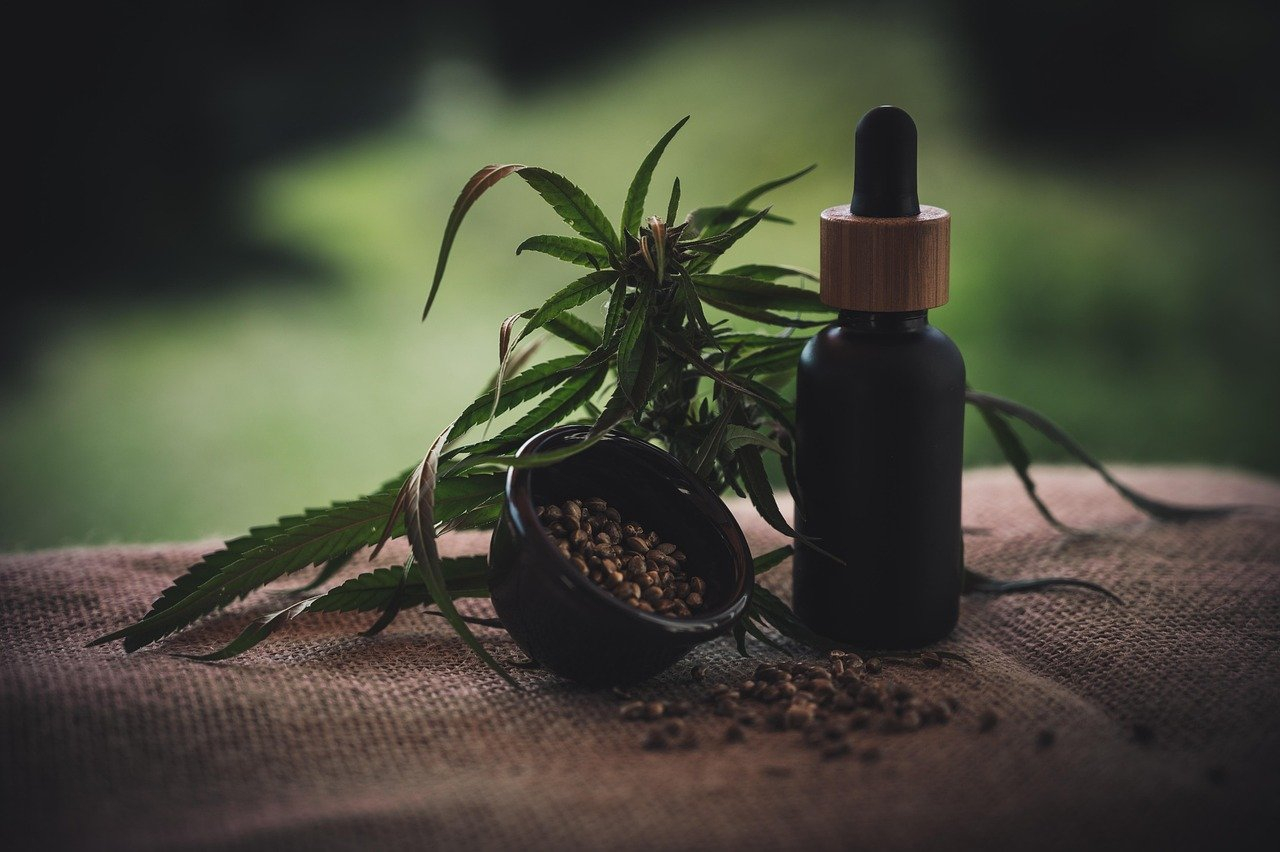
Navigating the world of CBD oil in Australia can feel like traversing a complex landscape. Understanding the potential benefits, legal framework, and available products is crucial for making informed decisions about your health and wellness. This article delves into these aspects, providing a comprehensive guide for Australians considering incorporating CBD oil into their lives.
Potential Health Benefits of CBD Oil
CBD, or cannabidiol, is a non-psychoactive compound extracted from the cannabis plant. Unlike THC, it doesn’t produce a “high.” Instead, research suggests it interacts with the body’s endocannabinoid system (ECS), a complex network of receptors that plays a role in regulating various physiological processes, including mood, sleep, pain perception, and immune function.
-
Pain Management: One of the most widely researched and reported benefits of CBD oil is its potential to alleviate chronic pain. Studies suggest that CBD may interact with ECS receptors to reduce inflammation and pain signals. Some individuals with conditions like arthritis, fibromyalgia, and neuropathic pain have reported significant relief using CBD oil. However, it’s important to note that research is ongoing, and individual results may vary.
-
Anxiety and Stress Reduction: CBD has shown promise in reducing anxiety and stress levels. Research indicates that it may influence serotonin receptors in the brain, which play a crucial role in mood regulation. Studies have explored CBD’s potential in managing social anxiety disorder, generalized anxiety disorder, and post-traumatic stress disorder (PTSD). While not a cure, CBD may help to manage symptoms and improve overall well-being for some individuals experiencing anxiety.
-
Improved Sleep Quality: Many users report that CBD oil helps them fall asleep easier and stay asleep longer. This may be due to CBD’s potential to reduce anxiety and promote relaxation. By addressing underlying factors that contribute to sleep disturbances, CBD may contribute to improved sleep quality. However, it’s important to note that the effects of CBD on sleep can vary depending on the individual and the dosage.
-
Neuroprotective Properties: Research suggests that CBD may possess neuroprotective properties, potentially protecting brain cells from damage. Studies have explored its potential in managing neurological disorders such as epilepsy, multiple sclerosis, and Parkinson’s disease. While more research is needed, the preliminary findings are promising and suggest that CBD may play a role in supporting brain health.
-
Anti-Inflammatory Effects: Chronic inflammation is implicated in a wide range of health problems, including arthritis, heart disease, and cancer. CBD has demonstrated anti-inflammatory properties in various studies, potentially reducing inflammation throughout the body. By targeting inflammation, CBD may contribute to overall health and well-being.
Legality of CBD Oil in Australia
The legality of CBD oil in Australia is governed by the Therapeutic Goods Administration (TGA) and is subject to strict regulations. The key points to understand are:
-
Prescription Required: In Australia, CBD oil is classified as a Schedule 4 (Prescription Only) medicine. This means you need a valid prescription from a registered medical practitioner to legally purchase and use CBD oil.
-
THC Content: The legality of CBD oil also hinges on its tetrahydrocannabinol (THC) content. THC is the psychoactive compound in cannabis. In Australia, CBD oil must contain no more than 0.3% THC to be considered legal, even with a prescription.
-
Accessing a Prescription: Obtaining a prescription for CBD oil involves consulting with a doctor who is authorized to prescribe medicinal cannabis. The doctor will assess your medical history, condition, and other relevant factors to determine if CBD oil is appropriate for you. They will then provide a prescription if deemed necessary.
-
Over-the-Counter CBD Products: Products marketed as CBD oil that are available over-the-counter in Australia are generally not legal. These products often contain little to no CBD and may not meet the required quality standards.
-
Importing CBD Oil: Importing CBD oil into Australia without a valid prescription is illegal. Customs officials have the authority to seize any unauthorized imports.
Best CBD Oil Products Available in Australia (with a Prescription)
Once you have a valid prescription, you can access a range of CBD oil products through authorized pharmacies and suppliers. Here are some factors to consider when choosing a CBD oil product:
-
Full-Spectrum vs. Broad-Spectrum vs. CBD Isolate:
- Full-Spectrum: Contains all the naturally occurring compounds in the cannabis plant, including trace amounts of THC (below 0.3%). The “entourage effect” suggests that these compounds work synergistically to enhance the benefits of CBD.
- Broad-Spectrum: Contains most of the naturally occurring compounds in the cannabis plant but has had the THC removed. This option is suitable for those who want to avoid THC altogether.
- CBD Isolate: Contains only pure CBD, with all other compounds removed.
-
Extraction Method: The extraction method used to obtain CBD from the cannabis plant can affect the quality of the final product. CO2 extraction is considered one of the safest and most effective methods.
-
Third-Party Testing: Look for products that have been independently tested by a third-party laboratory. This ensures that the product contains the advertised amount of CBD and is free from contaminants such as heavy metals, pesticides, and solvents. The Certificate of Analysis (COA) should be readily available.
-
Dosage and Concentration: CBD oil products come in various concentrations. Start with a low dose and gradually increase it until you find the optimal dosage for your needs. Consult with your doctor to determine the appropriate dosage for your specific condition.
-
Carrier Oil: CBD oil is typically mixed with a carrier oil, such as MCT oil, hemp seed oil, or olive oil. Choose a product with a carrier oil that you tolerate well.
-
Reputation and Reviews: Research the brand and read reviews from other users to get an idea of the product’s quality and effectiveness.
Specific Product Examples (Illustrative Only – Subject to Availability and Prescription):
While specific brand recommendations are difficult without knowing individual needs and prescription options, here are examples of types of products commonly discussed in the Australian CBD market (always verify availability and legitimacy with your prescribing doctor and pharmacy):
-
Full-Spectrum CBD Oil (e.g., from a local compounding pharmacy): Often prescribed for chronic pain management due to the entourage effect. Check for CO2 extraction and third-party testing.
-
Broad-Spectrum CBD Oil (e.g., a product specifically formulated for anxiety): A good option for those who want the benefits of the entourage effect without any THC.
-
CBD Isolate Capsules (e.g., a standardized dose for sleep): Offers a consistent and precise dosage, making it easier to track effects.
-
CBD Topical Creams (e.g., for localized pain relief): Applied directly to the skin to target specific areas of pain or inflammation.
Important Considerations:
-
Consult Your Doctor: Always consult with a healthcare professional before using CBD oil, especially if you have any underlying medical conditions or are taking other medications. CBD can interact with certain medications.
-
Potential Side Effects: While generally well-tolerated, CBD oil can cause side effects in some individuals, such as drowsiness, dry mouth, diarrhea, and changes in appetite.
-
Product Quality: The quality of CBD oil products can vary significantly. Choose reputable brands that provide third-party testing results.
-
Dosage: The optimal dosage of CBD oil varies depending on the individual and the condition being treated. Start with a low dose and gradually increase it until you find the dosage that works best for you.
-
Driving and Operating Machinery: Be cautious when driving or operating machinery while using CBD oil, as it may cause drowsiness.
By understanding the potential benefits, legal framework, and product options, Australians can make informed decisions about incorporating CBD oil into their health and wellness routine, always under the guidance of a qualified medical professional. Remember that this is not a substitute for professional medical advice.
Recent Comments