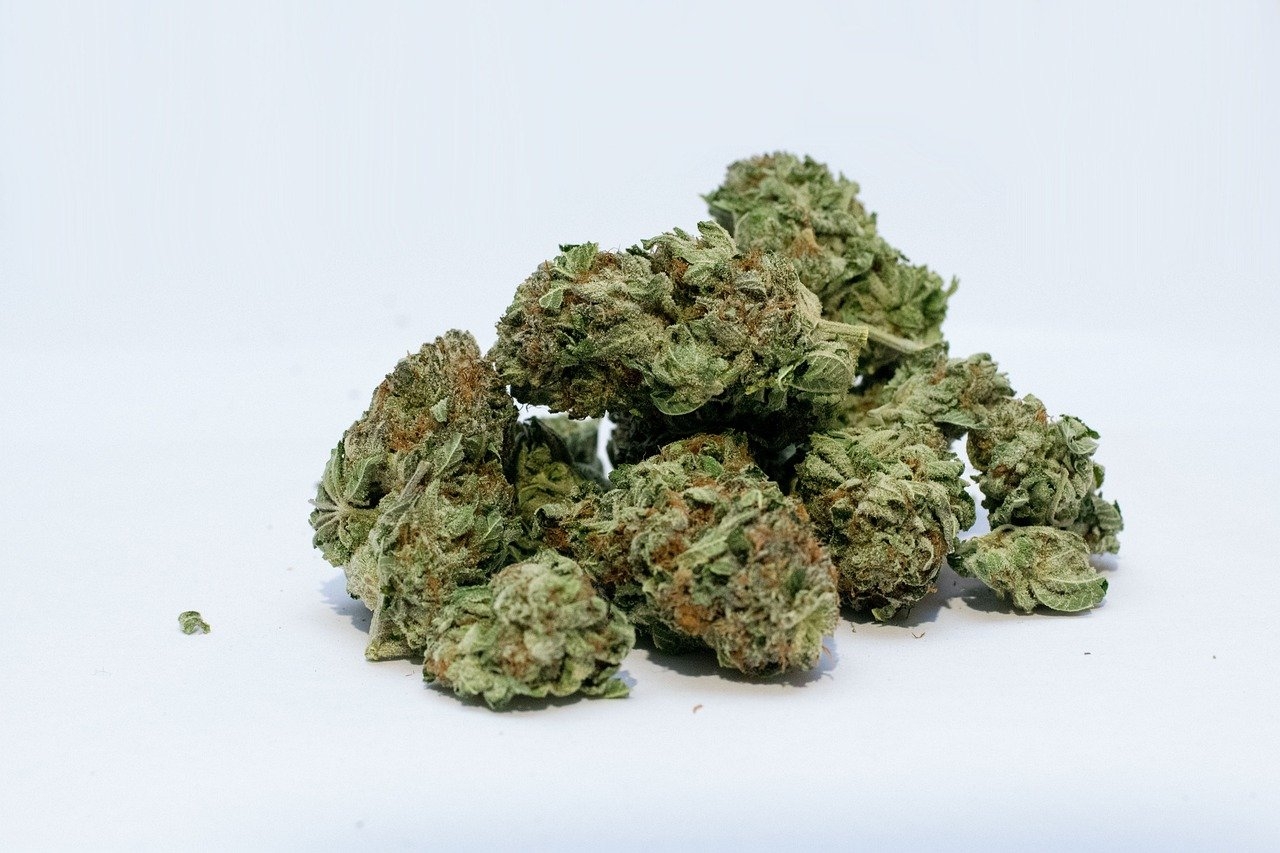
The revolution in healthcare is increasingly being shaped by the profound therapeutic potential of medical cannabis, offering a paradigm shift from conventional treatment modalities. This natural plant, once shrouded in stigma and legal complexities, is now recognized for its sophisticated interaction with the human body, particularly through the intricate Endocannabinoid System (ECS). This vital regulatory network, present in all vertebrates, plays a crucial role in maintaining physiological homeostasis, influencing mood, sleep, appetite, pain sensation, and immune function. Phytocannabinoids like tetrahydrocannabinol (THC) and cannabidiol (CBD), alongside other compounds such as terpenes and flavonoids, mimic the body’s own endocannabinoids, binding to CB1 and CB2 receptors found throughout the brain, central nervous system, and peripheral tissues. This interaction underpins the diverse therapeutic effects that are now transforming patient care across a spectrum of conditions.
One of the most significant impacts of medical cannabis lies in chronic pain management, addressing a global health crisis often exacerbated by the over-reliance on opioid medications. For millions suffering from debilitating conditions like neuropathic pain, fibromyalgia, arthritis, and migraines, medical cannabis offers a compelling alternative or adjunct therapy. THC’s analgesic properties, combined with CBD’s anti-inflammatory and neuroprotective effects, work synergistically to alleviate pain without the severe side effects or addictive potential associated with opioids. Patients report significant reductions in pain intensity, improved sleep quality, and an enhanced overall quality of life, allowing them to reduce or even discontinue traditional pain medications. This shift represents a critical step towards safer, more sustainable pain relief strategies, mitigating the risks of dependence and overdose.
Beyond pain, medical cannabis is proving to be a game-changer in the management of various neurological and neuropsychiatric disorders. In epilepsy, specifically severe forms such as Dravet syndrome and Lennox-Gastaut syndrome, CBD-rich formulations have demonstrated remarkable efficacy in reducing seizure frequency and severity, leading to the FDA approval of Epidiolex. For individuals with Multiple Sclerosis (MS), cannabis helps manage spasticity, neuropathic pain, and tremors, significantly improving mobility and comfort. Parkinson’s disease patients often find relief from tremors, rigidity, and sleep disturbances, with some reporting improvements in motor symptoms and anxiety. The anxiolytic properties of CBD make it a promising treatment for generalized anxiety disorder, social anxiety, and panic disorders, while its potential antidepressant effects are also under investigation. Furthermore, medical cannabis, particularly strains with balanced THC/CBD ratios, can help individuals with Post-Traumatic Stress Disorder (PTSD) manage nightmares, improve sleep, and reduce hypervigilance, offering a path towards emotional regulation and improved mental well-being.
The gastrointestinal tract also benefits significantly from the anti-inflammatory and immunomodulatory properties of cannabinoids. Patients with inflammatory bowel diseases such as Crohn’s disease and ulcerative colitis often experience relief from abdominal pain, cramping, diarrhea, and nausea. Cannabis can help regulate gut motility and reduce inflammation, contributing to disease remission and improved digestive health. Moreover, its well-documented ability to stimulate appetite is invaluable for individuals suffering from cachexia, a wasting syndrome common in cancer and AIDS patients, as well as those undergoing chemotherapy whose appetite is suppressed. This appetite stimulation not only helps prevent weight loss but also improves nutrient absorption and overall energy levels, which are critical for recovery and maintaining strength.
In the realm of cancer care, medical cannabis serves as a powerful palliative and adjunctive treatment. It effectively combats the severe nausea and vomiting induced by chemotherapy, a common and distressing side effect that often leads to treatment non-compliance. By activating cannabinoid receptors in the brainstem, THC directly inhibits the emetic reflex, providing profound relief. Beyond nausea, cannabis also addresses cancer-related pain, improves sleep, and boosts mood, significantly enhancing the quality of life for patients undergoing arduous treatments. While research into the direct anti-tumor properties of cannabinoids is ongoing and shows promise in preclinical studies, its immediate impact on managing symptoms and improving patient comfort is undeniable, making it an indispensable tool in comprehensive cancer support.
The transformative potential of medical cannabis extends into broader mental wellness and stress reduction, moving beyond acute conditions to support general well-being. In an increasingly stressful world, many individuals seek natural ways to manage daily anxieties, improve sleep quality, and foster a sense of calm. CBD, without the psychoactive effects of THC, is widely used for its ability to promote relaxation, reduce stress, and improve sleep patterns by interacting with serotonin receptors and modulating neurotransmitter activity. This holistic approach to mental health underscores cannabis’s role not just in treating illness but in promoting a proactive stance towards well-being. The precise dosing and strain selection allow for personalized therapeutic experiences, optimizing outcomes for individuals seeking mental clarity and emotional balance.
However, unlocking the full potential of medical cannabis requires careful consideration of personalized medicine. Dosage, cannabinoid ratios (THC:CBD), terpene profiles, and delivery methods (inhalation, edibles, tinctures, topicals
Recent Comments