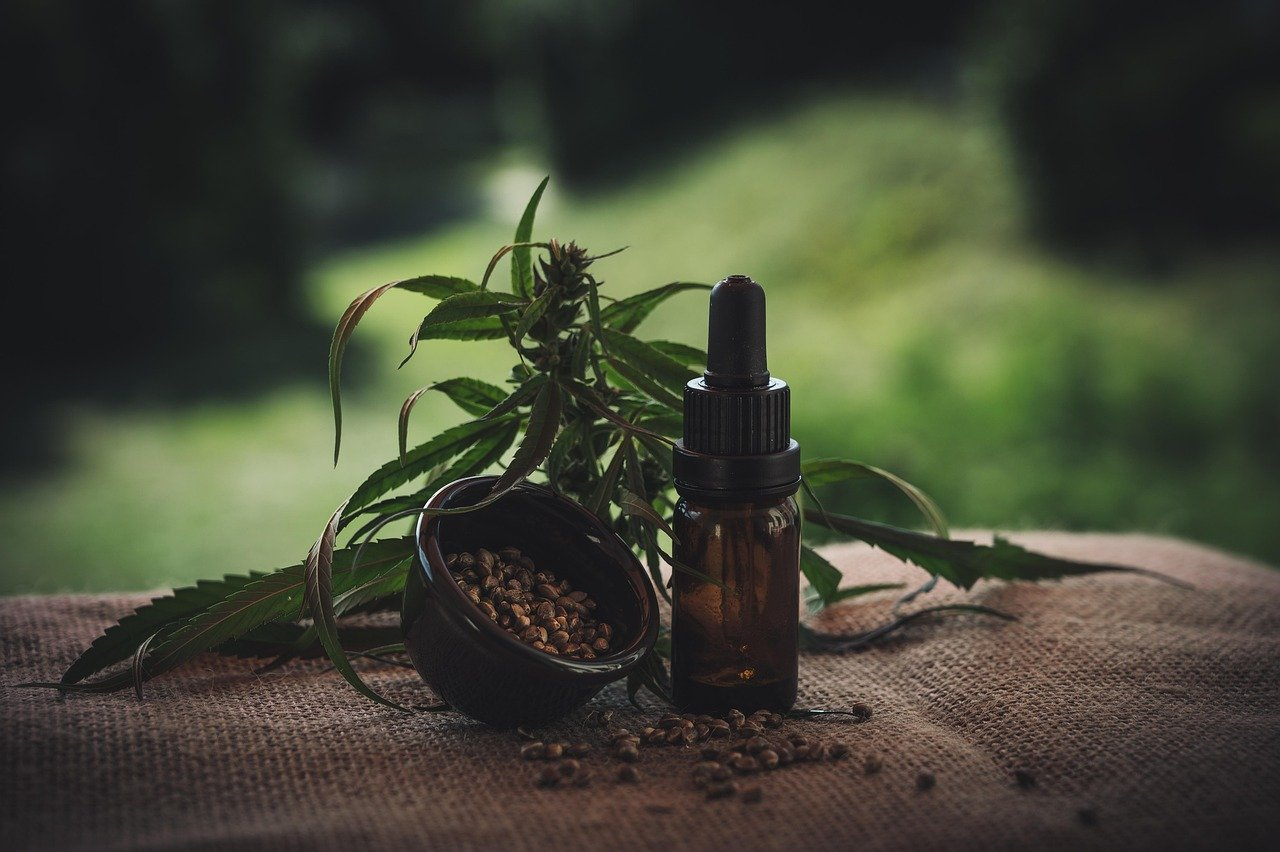
Cannabidiol (CBD) is a naturally occurring compound found in the Cannabis sativa plant. Unlike tetrahydrocannabinol (THC), the other well-known cannabinoid, CBD is non-psychoactive, meaning it doesn’t produce the “high” associated with cannabis use. CBD interacts with the body’s endocannabinoid system (ECS), a complex network of receptors, enzymes, and endocannabinoids that plays a crucial role in regulating various physiological processes. These processes include mood, pain sensation, inflammation, sleep, appetite, and immune function.
The ECS has two primary receptors: CB1 and CB2. CB1 receptors are predominantly found in the brain and central nervous system, while CB2 receptors are mainly located in the immune system. CBD doesn’t bind directly to these receptors like THC does. Instead, it influences the ECS indirectly, potentially by preventing the breakdown of endocannabinoids, stimulating the production of endocannabinoids, or interacting with other receptors in the body. This indirect influence can modulate the ECS and contribute to the potential therapeutic effects of CBD.
CBD oil is typically extracted from hemp plants, which are varieties of Cannabis sativa that contain low levels of THC (less than 0.3% in Australia). The extraction process involves separating CBD from the plant material using various methods, such as CO2 extraction, ethanol extraction, or solvent extraction. The resulting extract is then diluted with a carrier oil, such as MCT oil, hemp seed oil, or olive oil, to create CBD oil. The concentration of CBD in the oil is typically expressed in milligrams (mg) per milliliter (mL) or as a percentage.
The legal landscape surrounding CBD oil in Australia is complex and has evolved over time. Currently, CBD oil is classified as a Schedule 4 (prescription-only) medicine by the Therapeutic Goods Administration (TGA). This means that you require a valid prescription from a registered medical practitioner to legally access CBD oil.
The TGA has approved some CBD products for specific medical conditions, such as epilepsy and multiple sclerosis. However, access to these approved products is often limited, and the approval process can be lengthy.
In 2021, the TGA down-scheduled low-dose CBD preparations (containing no more than 150mg of CBD per day) to Schedule 3 (pharmacist-only medicine). However, as of late 2023, no products have yet been approved under this new scheduling. This is due to the stringent requirements for product quality, safety, and efficacy that manufacturers must meet to have their products registered.
Therefore, despite the down-scheduling, obtaining legal CBD oil in Australia still generally requires a prescription. Purchasing CBD oil from overseas websites or unregulated sources is illegal and potentially dangerous, as the products may not meet Australian quality standards and may contain undisclosed ingredients or higher levels of THC than permitted.
It’s crucial to consult with a doctor to discuss your health conditions and determine if CBD oil is a suitable treatment option for you. If your doctor believes that CBD oil is appropriate, they can write a prescription and guide you on how to obtain it legally.
Research into the potential health benefits of CBD oil is ongoing, and the evidence is still evolving. However, several studies suggest that CBD oil may offer therapeutic benefits for various conditions.
- Pain Management: CBD oil may help reduce pain by interacting with the ECS and influencing pain pathways. Studies have shown promising results for chronic pain conditions such as arthritis, fibromyalgia, and neuropathic pain.
- Anxiety and Depression: CBD oil may have anxiolytic and antidepressant effects by modulating serotonin levels and other neurotransmitters in the brain. Research suggests that CBD oil may help reduce symptoms of anxiety disorders, such as social anxiety disorder, generalized anxiety disorder, and panic disorder. It may also help alleviate symptoms of depression.
- Sleep Disorders: CBD oil may improve sleep quality by promoting relaxation and reducing anxiety. Studies have shown that CBD oil may help reduce insomnia and other sleep disturbances.
- Epilepsy: CBD oil has been approved by the TGA for the treatment of certain types of epilepsy, such as Dravet syndrome and Lennox-Gastaut syndrome. Studies have shown that CBD oil can significantly reduce the frequency of seizures in these patients.
- Inflammation: CBD oil has anti-inflammatory properties and may help reduce inflammation throughout the body. This may be beneficial for conditions such as arthritis, inflammatory bowel disease, and autoimmune disorders.
- Neuroprotective Effects: CBD oil may have neuroprotective effects and may help protect against brain damage in conditions such as stroke, Alzheimer’s disease, and Parkinson’s disease.
It’s important to note that more research is needed to fully understand the potential health benefits of CBD oil. The effectiveness of CBD oil may vary depending on the individual, the condition being treated, and the dosage used.
When choosing a CBD oil product, it’s important to consider several factors to ensure that you’re getting a high-quality and safe product.
- Source of CBD: Look for CBD oil that is derived from hemp plants grown in Australia or other countries with strict regulations on hemp cultivation. This ensures that the product contains low levels of THC and is free from contaminants.
- Extraction Method: CO2 extraction is considered the gold standard for CBD extraction, as it’s a clean and efficient method that preserves the integrity of the CBD. Other extraction methods, such as ethanol extraction, are also acceptable. Avoid products that use solvent extraction, as these may contain residual solvents.
- Third-Party Testing: Choose CBD oil products that have been tested by a third-party laboratory to verify their CBD content, THC content, and purity. Look for a Certificate of Analysis (COA) that shows the results of the testing.
- CBD Concentration: The concentration of CBD in the oil is typically expressed in milligrams (mg) per milliliter (mL) or as a percentage. Choose a concentration that is appropriate for your needs. Start with a low dose and gradually increase it until you find the dosage that works best for you.
- Type of CBD: There are three main types of CBD oil: full-spectrum, broad-spectrum, and CBD isolate. Full-spectrum CBD oil contains all of the cannabinoids, terpenes, and other compounds found in the hemp plant, including trace amounts of THC (less than 0.3%). Broad-spectrum CBD oil contains all of the cannabinoids and terpenes, but it has been processed to remove the THC. CBD isolate is pure CBD, with no other cannabinoids or terpenes.
- Carrier Oil: The carrier oil is the oil that the CBD extract is diluted with. Common carrier oils include MCT oil, hemp seed oil, and olive oil. Choose a carrier oil that you tolerate well.
- Reputable Brand: Choose a CBD oil product from a reputable brand that has a good reputation for quality and transparency. Look for brands that provide detailed information about their sourcing, extraction, and testing processes.
The optimal dosage of CBD oil varies depending on the individual, the condition being treated, and the product being used. There is no one-size-fits-all dosage, and it’s important to start with a low dose and gradually increase it until you find the dosage that works best for you.
A common starting dose is 5-10 mg of CBD per day. You can increase the dosage by 5-10 mg every few days until you achieve the desired effects. It’s important to monitor your body’s response to CBD oil and adjust the dosage accordingly.
CBD oil can be administered in several ways, including:
- Sublingual: Place a few drops of CBD oil under your tongue and hold it there for 60-90 seconds before swallowing. This allows the CBD to be absorbed directly into the bloodstream.
- Oral: Swallow CBD oil directly or mix it with food or drinks. This method has a slower onset of effects, as the CBD must be digested before it can be absorbed.
- Topical: Apply CBD oil directly to the skin. This method is best for localized pain or inflammation.
- Vaping: Vape CBD oil using a vaporizer. This method has a rapid onset of effects, but it may not be suitable for everyone.
It’s important to follow the instructions on the product label and consult with your doctor to determine the appropriate dosage and administration method for you.
CBD oil is generally considered safe, but it can cause some side effects in some people. Common side effects include:
- Dry mouth
- Diarrhea
- Reduced appetite
- Drowsiness
- Fatigue
CBD oil can also interact with certain medications, such as blood thinners, antidepressants, and anti-seizure medications. It’s important to talk to your doctor before using CBD oil if you are taking any medications.
CBD oil may also increase the risk of liver damage in some people. If you have liver problems, talk to your doctor before using CBD oil.
Pregnant and breastfeeding women should avoid using CBD oil, as its effects on developing fetuses and infants are not fully understood.
It’s important to be aware of the potential side effects and interactions of CBD oil before using it. If you experience any adverse effects, stop using CBD oil and consult with
Recent Comments