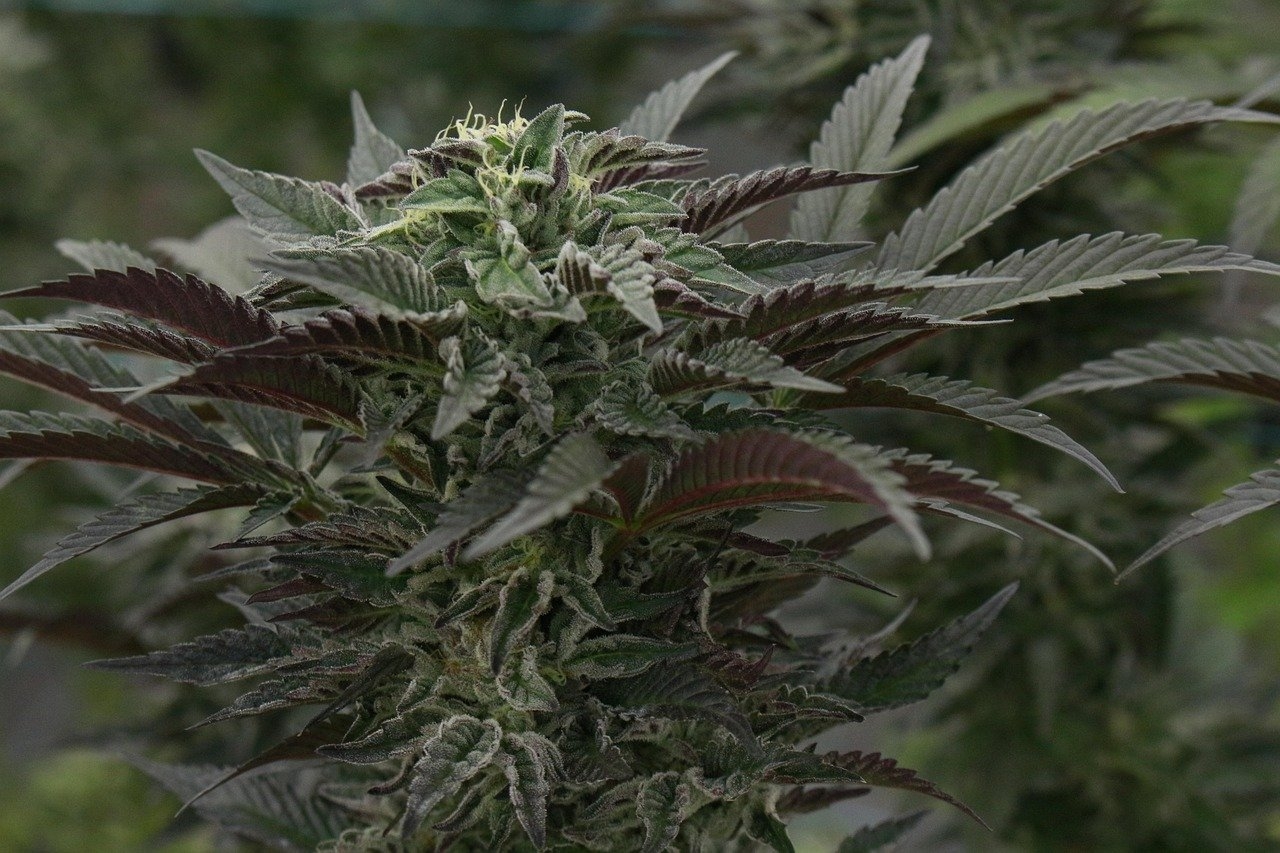
Cannabis, revered for millennia as a medicinal plant across diverse cultures, is experiencing a profound resurgence in modern healthcare. Ancient texts from China, India, and Egypt document its use for pain relief, inflammation, and mood regulation, yet its therapeutic potential was largely sidelined for decades by prohibition. Today, robust scientific inquiry is validating many of these historical applications, revealing the intricate mechanisms through which medical marijuana offers significant healing power for a spectrum of chronic and debilitating conditions, shifting perceptions and paving the way for integrated treatment approaches.
At the heart of cannabis’s therapeutic efficacy lies its interaction with the human endocannabinoid system (ECS), a complex cell-signaling network discovered in the early 1990s. The ECS is a vital regulatory system, maintaining homeostasis across nearly every physiological process, including pain sensation, mood, appetite, sleep, immune response, and memory. It comprises three key components: endocannabinoids (naturally produced cannabis-like molecules like anandamide and 2-AG), cannabinoid receptors (CB1, primarily in the brain and central nervous system, and CB2, predominantly in the immune system and peripheral tissues), and enzymes that synthesize and break down endocannabinoids. Phytocannabinoids from the cannabis plant, such as tetrahydrocannabinol (THC) and cannabidiol (CBD), mimic or modulate these natural compounds, thereby influencing ECS activity to restore balance and alleviate symptoms.
The plant’s therapeutic profile is largely attributed to its rich array of cannabinoids, terpenes, and flavonoids, which work synergistically in what is known as the “entourage effect.” THC, the primary psychoactive compound, is renowned for its potent analgesic, anti-inflammatory, antiemetic, and appetite-stimulating properties. It primarily interacts with CB1 receptors, leading to its characteristic euphoric effects alongside its medical benefits. CBD, non-psychoactive, offers a distinct but equally powerful therapeutic spectrum, acting as an anti-inflammatory, anxiolytic, anticonvulsant, and neuroprotective agent. It interacts less directly with CB1 and CB2 receptors, instead influencing other receptor systems and enzyme pathways. Lesser-known cannabinoids like cannabigerol (CBG), cannabinol (CBN), and tetrahydrocannabivarin (THCV) are also gaining attention for their unique contributions, from antibacterial properties to appetite suppression and bone growth stimulation, further enhancing the plant’s diverse medical applications.
One of the most widely recognized applications of medical marijuana is in managing chronic pain, particularly neuropathic pain, inflammatory pain, and cancer-related pain. THC and CBD both contribute to pain relief through different mechanisms. THC modulates pain perception in the brain and reduces inflammation, while CBD directly targets inflammatory pathways and can reduce anxiety associated with chronic pain. For conditions like multiple sclerosis (MS) and spinal cord injuries, cannabis provides significant relief from spasticity and muscle stiffness, often surpassing conventional pharmaceuticals. Preparations like Nabiximols (Sativex), an oral spray containing standardized THC and CBD, are approved in
Recent Comments