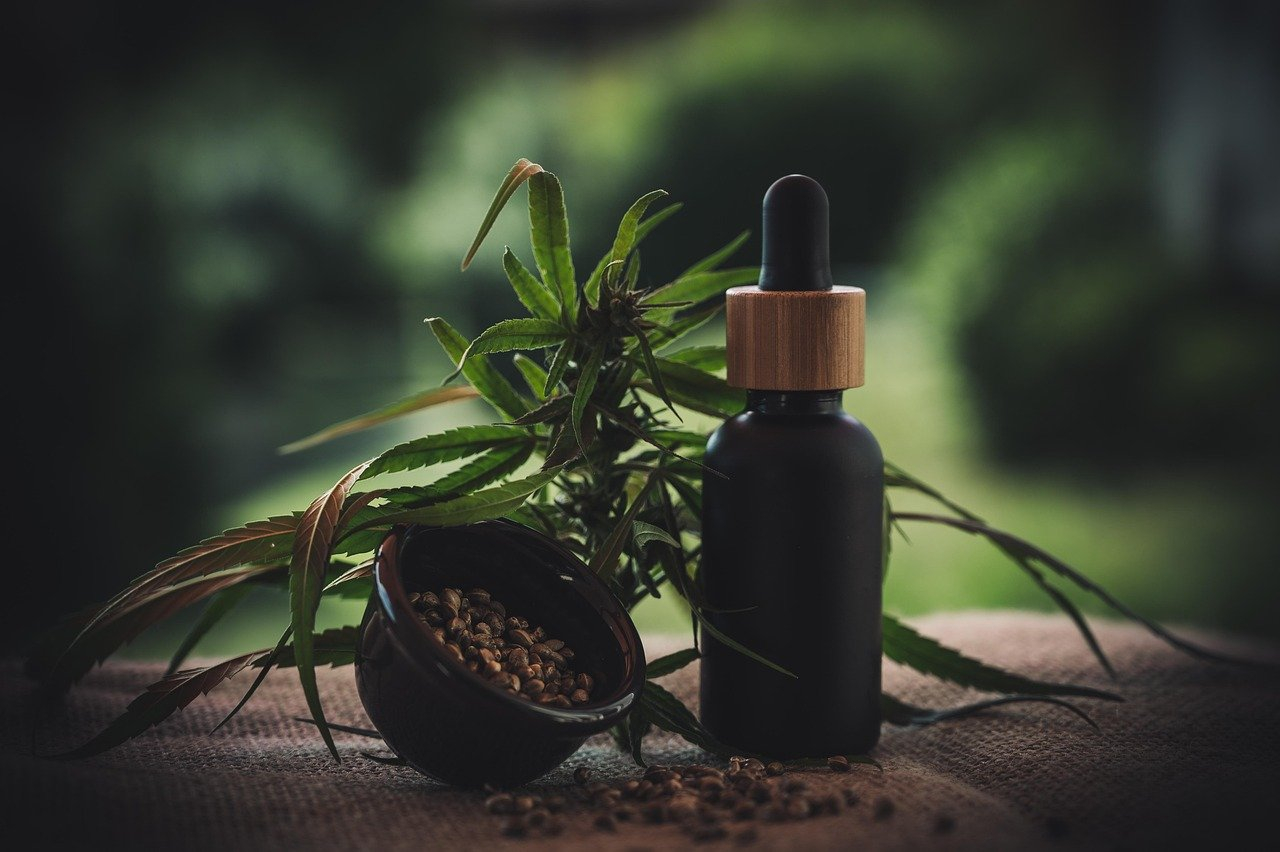
Understanding CBD Oil and the Australian Landscape
Cannabidiol (CBD) oil, a non-psychoactive compound derived from the cannabis plant, has garnered significant attention in the Australian health and wellness market. Unlike tetrahydrocannabinol (THC), CBD does not induce a “high,” making it an appealing option for individuals seeking potential therapeutic benefits without the intoxicating effects. However, navigating the legal and regulatory framework surrounding CBD oil in Australia is crucial before considering its use.
Currently, accessing CBD oil legally in Australia typically requires a prescription from a medical professional. This is because CBD is classified as a Schedule 4 (Prescription Only Medicine) substance by the Therapeutic Goods Administration (TGA). The TGA regulates medicines and medical devices in Australia, ensuring they meet safety and quality standards. Obtaining a prescription involves consulting with a doctor who can assess your individual needs and determine if CBD oil is an appropriate treatment option.
The landscape is evolving, though. In 2021, the TGA down-scheduled certain low-dose CBD products (containing a maximum of 150mg per day) to Schedule 3 (Pharmacist Only Medicine). This means these products, once approved by the TGA, could potentially be purchased over-the-counter from pharmacies without a prescription. However, this change hasn’t fully materialized, and the approval process for these products is ongoing. Consumers should remain vigilant and only purchase CBD oil from reputable sources that comply with Australian regulations.
Potential Health Benefits of CBD Oil
Research into the potential health benefits of CBD oil is ongoing and promising, although it’s important to note that more robust clinical trials are needed to definitively establish its efficacy for various conditions. The purported benefits stem from CBD’s interaction with the body’s endocannabinoid system (ECS), a complex network of receptors, enzymes, and endocannabinoids involved in regulating a wide range of physiological processes, including pain, inflammation, mood, sleep, and immune function.
-
Pain Management: CBD oil has shown potential in managing chronic pain conditions, such as arthritis, neuropathic pain, and fibromyalgia. Some studies suggest that CBD can reduce pain perception by interacting with pain receptors and reducing inflammation. While not a cure, it may offer a complementary approach to pain management alongside conventional treatments.
-
Anxiety and Stress Reduction: CBD oil is often touted for its anxiolytic (anxiety-reducing) effects. Research indicates that CBD may influence serotonin receptors in the brain, which play a role in regulating mood and anxiety. Some individuals report experiencing a sense of calm and relaxation after using CBD oil. It’s important to consult with a doctor before using CBD oil for anxiety, especially if you are already taking medication for anxiety or depression.
-
Sleep Improvement: Many individuals struggle with sleep disturbances, such as insomnia. CBD oil may help improve sleep quality by addressing underlying factors that contribute to sleep problems, such as anxiety and pain. While not a sedative, CBD may promote relaxation and reduce sleep latency (the time it takes to fall asleep).
-
Epilepsy Management: One of the most well-researched and established uses of CBD is in the treatment of certain types of epilepsy. The TGA has approved a specific CBD-based medication, Epidiolex, for the treatment of Lennox-Gastaut syndrome and Dravet syndrome, two rare and severe forms of childhood epilepsy.
-
Inflammation Reduction: Chronic inflammation is implicated in a wide range of health conditions, including arthritis, heart disease, and autoimmune disorders. CBD oil possesses anti-inflammatory properties and may help reduce inflammation by interacting with the ECS and inhibiting the production of inflammatory molecules.
Choosing the Right CBD Oil Product
With the growing popularity of CBD oil, a plethora of products are available on the market, making it challenging to choose the right one. Here are some factors to consider when selecting a CBD oil product:
-
Source of CBD: Opt for CBD oil derived from organically grown hemp plants. Organic farming practices ensure that the plants are free from pesticides and other harmful chemicals.
-
Extraction Method: CO2 extraction is considered the gold standard for CBD extraction. This method uses supercritical carbon dioxide to extract CBD from the hemp plant, resulting in a pure and potent oil without the use of harsh solvents.
-
Third-Party Testing: Choose products that have been tested by an independent third-party laboratory. Third-party testing verifies the CBD content, purity, and safety of the product. Look for a Certificate of Analysis (COA) that provides detailed information about the product’s composition.
-
CBD Concentration: CBD oil products come in various concentrations, typically measured in milligrams (mg) of CBD per milliliter (ml) of oil. Start with a low concentration and gradually increase the dosage until you achieve the desired effects. Consult with a healthcare professional to determine the appropriate dosage for your individual needs.
-
Type of CBD: There are three main types of CBD:
- Full-spectrum CBD: Contains all the compounds found in the hemp plant, including CBD, other cannabinoids, terpenes, and trace amounts of THC (less than 0.3%).
- Broad-spectrum CBD: Contains all the compounds found in the hemp plant, except for THC.
- CBD isolate: Contains only pure CBD, with no other cannabinoids or terpenes.
The “entourage effect” suggests that full-spectrum CBD may be more effective than CBD isolate due to the synergistic interaction of various cannabinoids and terpenes. However, individuals who are concerned about THC consumption may prefer broad-spectrum CBD or CBD isolate.
-
Reputable Brands: Purchase CBD oil from reputable brands that are transparent about their sourcing, manufacturing processes, and testing practices. Read reviews and do your research to ensure that the brand is trustworthy and reliable.
Potential Side Effects and Interactions
While CBD oil is generally considered safe, some individuals may experience side effects, such as:
- Drowsiness
- Dry mouth
- Diarrhea
- Changes in appetite
- Nausea
CBD oil can also interact with certain medications, particularly those metabolized by the liver. It’s crucial to inform your doctor about any medications you are taking before using CBD oil. Common medications that may interact with CBD include blood thinners, antidepressants, and anti-seizure medications.
Navigating the Australian Regulatory Landscape
As mentioned earlier, CBD oil is currently regulated as a prescription medicine in Australia. To access CBD oil legally, you need to consult with a doctor who can assess your suitability for treatment and issue a prescription.
Be wary of online retailers or overseas suppliers that claim to sell CBD oil legally in Australia without a prescription. These products may not meet Australian safety and quality standards, and purchasing them could be illegal.
The TGA is working towards making low-dose CBD products more accessible to Australians through pharmacies. However, until these products are approved and available, obtaining a prescription remains the most reliable and legal way to access CBD oil in Australia.
The Importance of Consulting a Healthcare Professional
Before considering CBD oil, it’s essential to consult with a healthcare professional, such as a doctor or pharmacist. They can assess your individual needs, determine if CBD oil is appropriate for you, and advise you on the correct dosage and potential side effects and interactions. Self-treating with CBD oil without consulting a healthcare professional is not recommended. They can also help you navigate the legal complexities of obtaining CBD oil in Australia.
Ultimately, the decision of whether or not CBD oil is right for you is a personal one that should be made in consultation with a healthcare professional. While research into the potential health benefits of CBD oil is promising, it’s important to approach it with realistic expectations and to be aware of the potential risks and limitations.
Recent Comments