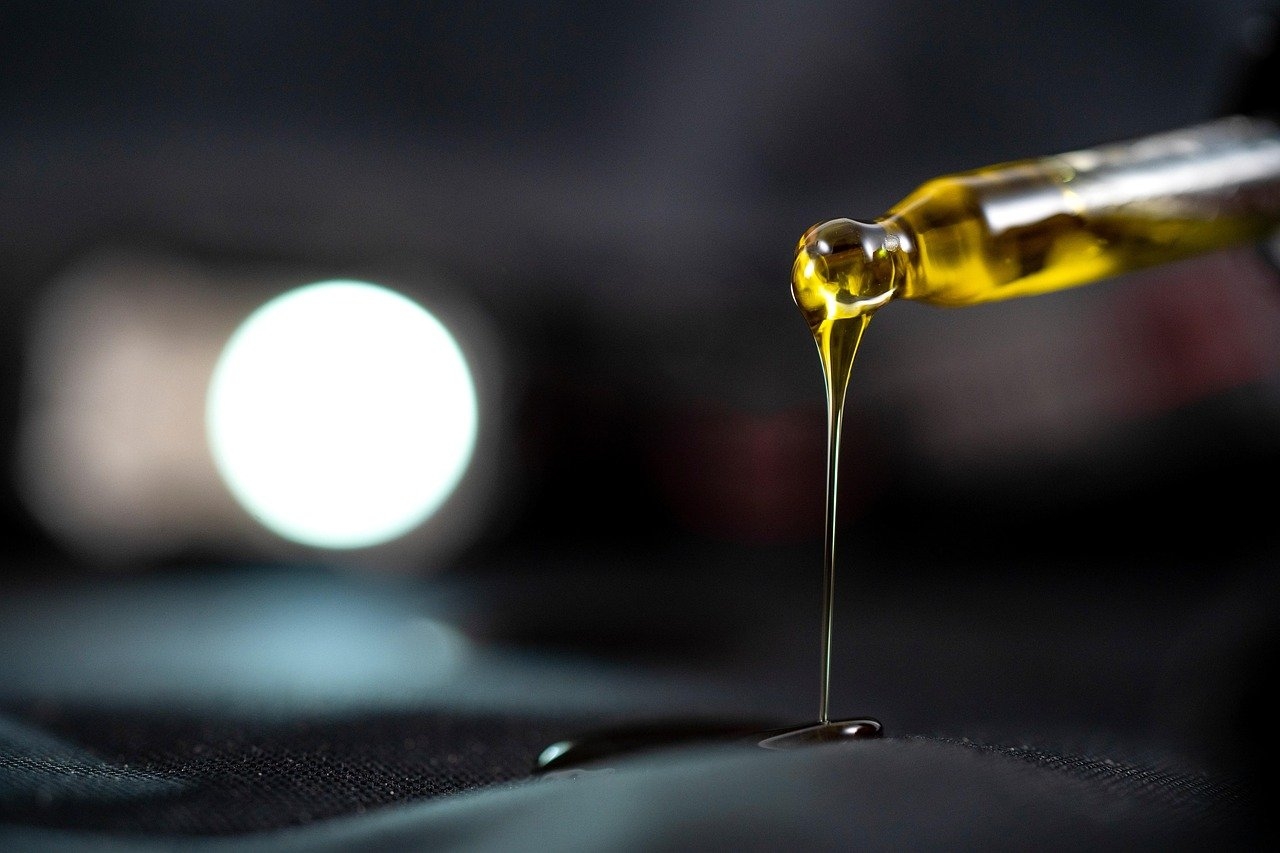
Cannabis oil, a concentrated extract rich in cannabinoids like CBD and THC, along with terpenes and other beneficial plant compounds, has long been associated with sublingual administration via a dropper. However, the true versatility of this remarkable botanical extract extends far beyond this traditional method, opening up a diverse array of applications that cater to varying needs, preferences, and desired effects. Exploring these alternative delivery systems unveils a world of enhanced therapeutic potential and user convenience, fundamentally reshaping how individuals interact with cannabis for wellness and medicinal purposes.
One of the most widely adopted and increasingly popular applications for cannabis oil is in edibles and infused foods. This category spans a vast spectrum, from delectable gummies and chocolates to savory baked goods, infused beverages, and even cooking oils and butters designed for home culinary adventures. The primary appeal of edibles lies in their discreet nature and the prolonged, systemic effects they offer. When cannabis oil is ingested, cannabinoids are metabolized by the liver, converting Delta-9-THC into 11-hydroxy-THC, a compound known for its potent and often longer-lasting psychoactive effects. This metabolic pathway results in a delayed onset, typically ranging from 30 minutes to two hours, but the effects can last anywhere from four to eight hours, making edibles ideal for sustained relief from chronic pain, anxiety, or insomnia. Precise dosing is crucial with edibles, as the intensity and duration of effects can vary significantly based on individual metabolism and the specific cannabinoid profile of the product. The ability to integrate cannabis oil seamlessly into everyday meals and snacks offers a discreet and enjoyable way to consume cannabinoids without the need for inhalation or the distinct taste of tinctures.
Beyond ingestion, topical applications represent a non-intoxicating yet highly effective use for cannabis oil. Balms, lotions, salves, and creams infused with CBD or THC oil are designed to be applied directly to the skin. These products work by interacting with cannabinoid receptors located within the skin’s endocannabinoid system. This localized interaction means that cannabinoids do not typically enter the bloodstream in significant amounts, thereby avoiding any psychoactive effects even with THC-rich formulations. Topicals are particularly favored for targeted relief from localized pain, inflammation, muscle soreness, arthritis, and various skin conditions such as eczema, psoriasis, and acne. The anti-inflammatory and analgesic properties of cannabinoids, combined with the moisturizing and protective qualities of carrier oils and other ingredients, make cannabis-infused topicals a powerful tool in dermatological and pain management routines. Furthermore, the antioxidant properties of cannabinoids also lend themselves to cosmetic applications, promoting skin health and combating signs of aging.
Vaporization, or “vaping,” offers another distinct method for consuming cannabis oil, providing a rapid onset of effects comparable to smoking but with potentially fewer respiratory irritants. Cannabis oil, often in the form of distillates, live resin, or full-spectrum extracts, is loaded into specialized vape pens, cartridges, or desktop vaporizers. These devices heat the oil to a temperature that vaporizes the cannabinoids and terpenes without combustion, allowing users to inhale the vapor. The immediate absorption of cannabinoids through the lungs into the bloodstream means effects can be felt within minutes, making vaporization ideal for acute symptom relief, such as sudden pain flare-ups, anxiety attacks, or nausea. Users can also precisely titrate their dosage by taking small puffs until the desired effect is achieved. The discreet nature of vaporizers, often producing minimal odor compared to traditional smoking, adds to their appeal for many users seeking convenience and rapid efficacy.
For specific therapeutic needs, suppositories offer a unique and highly effective delivery method. Rectal and vaginal suppositories infused with cannabis oil allow for localized relief and systemic absorption without the psychoactive effects often associated with oral THC consumption. When administered rectally, cannabinoids can bypass the liver’s first-pass metabolism, leading to higher bioavailability and a more efficient absorption into the bloodstream. This method is particularly beneficial for conditions affecting the pelvic region, such as menstrual cramps, endometriosis, irritable bowel syndrome (IBS), hemorrhoids, and prostate issues. Vaginal suppositories similarly provide localized relief for gynecological discomfort and inflammation. The discreet application and sustained release of cannabinoids through suppositories make them a powerful option for individuals seeking targeted therapeutic benefits without the systemic psychoactivity of other THC-containing methods.
Transdermal patches represent an innovative application of cannabis oil that combines the localized benefits of topicals with systemic effects. These adhesive patches are infused with specific cannabinoid formulations, often including permeation enhancers that allow cannabinoids to pass through the skin layers and enter the bloodstream in a controlled, sustained manner. Unlike typical topicals, transdermal patches deliver cannabinoids systemically over an extended period, typically 8 to 12 hours. This slow, steady release provides consistent relief for chronic conditions like widespread pain, anxiety, and nausea, avoiding the peaks and troughs associated with other rapid-onset methods. The ability to bypass the digestive system and liver metabolism also means that a higher percentage of the active cannabinoids reaches the bloodstream, increasing their therapeutic efficacy. Transdermal patches are discreet, easy to use, and offer a convenient option for patients requiring continuous
Recent Comments