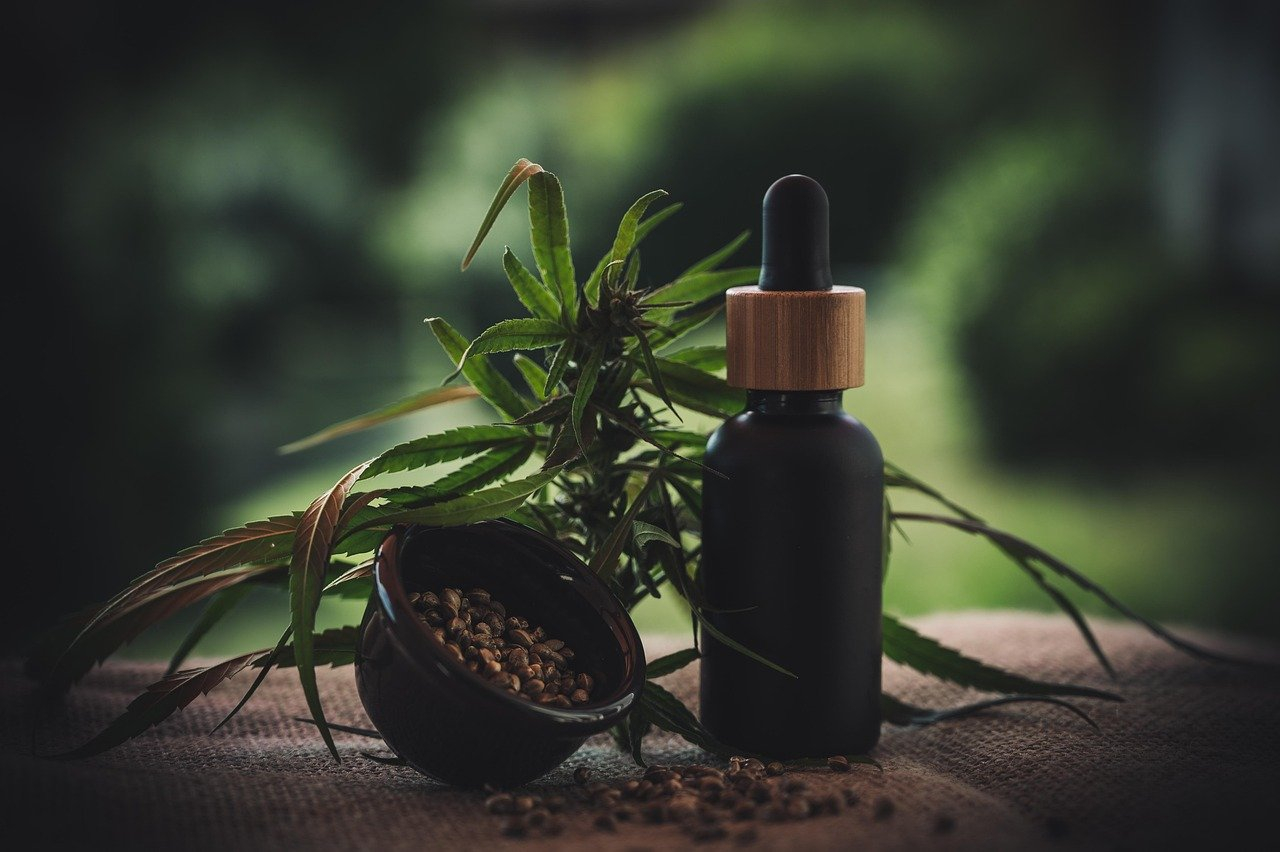
Anxiety and CBD Oil: Can It Help? Benefits and Uses
Anxiety disorders are among the most prevalent mental health conditions globally, impacting millions with a spectrum of symptoms ranging from persistent worry and fear to panic attacks and social avoidance. Traditional treatments often involve pharmaceutical medications and therapy, but the search for alternative and complementary approaches is ongoing. Cannabidiol (CBD), a non-psychoactive compound derived from the cannabis plant, has emerged as a potential therapeutic option for managing anxiety symptoms, generating considerable interest and research.
Understanding Anxiety Disorders:
Before delving into CBD, it’s crucial to understand the complexities of anxiety disorders. These conditions are characterized by excessive and persistent worry, fear, and nervousness that interfere with daily life. Common types include:
- Generalized Anxiety Disorder (GAD): Chronic, excessive worry about various events or activities.
- Social Anxiety Disorder (SAD): Intense fear of social situations and being judged by others.
- Panic Disorder: Sudden episodes of intense fear, accompanied by physical symptoms like rapid heartbeat and shortness of breath.
- Obsessive-Compulsive Disorder (OCD): Recurring, intrusive thoughts (obsessions) that lead to repetitive behaviors (compulsions).
- Post-Traumatic Stress Disorder (PTSD): Develops after experiencing a traumatic event, causing flashbacks, nightmares, and anxiety.
These disorders can manifest physically, mentally, and emotionally, significantly impacting an individual’s well-being and quality of life.
The Endocannabinoid System (ECS) and Anxiety:
CBD’s potential therapeutic effects are largely attributed to its interaction with the endocannabinoid system (ECS). The ECS is a complex network of receptors, enzymes, and endocannabinoids that play a crucial role in regulating various physiological processes, including mood, sleep, pain, and immune function.
The two primary receptors in the ECS are CB1 and CB2. CB1 receptors are mainly found in the brain and central nervous system, while CB2 receptors are primarily located in the immune system. Unlike tetrahydrocannabinol (THC), the psychoactive compound in cannabis, CBD does not directly bind to these receptors. Instead, it influences the ECS by:
- Inhibiting the breakdown of endocannabinoids: CBD can prevent the enzyme FAAH from breaking down anandamide, an endocannabinoid associated with feelings of well-being and happiness. By increasing anandamide levels, CBD may help reduce anxiety.
- Modulating receptor activity: CBD can indirectly influence the activity of CB1 and CB2 receptors, as well as other receptors like serotonin (5-HT1A) receptors, which play a significant role in mood regulation.
- Reducing inflammation: Chronic inflammation has been linked to anxiety disorders. CBD possesses anti-inflammatory properties that may help mitigate the inflammatory processes contributing to anxiety.
Research on CBD and Anxiety:
While research is ongoing, several studies have explored the potential benefits of CBD for anxiety.
- Social Anxiety Disorder (SAD): A study published in the journal Neuropsychopharmacology found that CBD significantly reduced anxiety, cognitive impairment, and discomfort in participants with SAD during a simulated public speaking test.
- Generalized Anxiety Disorder (GAD): Research published in The Permanente Journal showed that CBD may help reduce anxiety and improve sleep quality in individuals with GAD.
- Panic Disorder: Preliminary research suggests that CBD may reduce the frequency and intensity of panic attacks in individuals with panic disorder. However, more research is needed to confirm these findings.
- Post-Traumatic Stress Disorder (PTSD): Some studies indicate that CBD may help alleviate symptoms of PTSD, such as anxiety, nightmares, and intrusive thoughts. However, the evidence is still limited.
It’s important to note that much of the research on CBD and anxiety is preclinical (involving animal studies) or has been conducted on small sample sizes. Larger, well-controlled clinical trials are needed to fully understand the efficacy and safety of CBD for anxiety disorders.
Benefits of Using CBD for Anxiety:
Compared to traditional anxiety medications, CBD offers several potential advantages:
- Non-Psychoactive: CBD does not produce the “high” associated with THC, making it a more appealing option for individuals who want to avoid psychoactive effects.
- Fewer Side Effects: CBD generally has fewer and milder side effects than many prescription anxiety medications, such as drowsiness, weight gain, and sexual dysfunction. Common side effects of CBD include dry mouth, diarrhea, and changes in appetite or weight.
- Non-Addictive: CBD is not considered to be addictive, unlike some benzodiazepines and other anxiety medications.
- Potential for Holistic Treatment: CBD can be integrated into a holistic approach to anxiety management, including therapy, mindfulness practices, and lifestyle changes.
Different Forms of CBD and Their Uses:
CBD is available in various forms, each with its own advantages and disadvantages:
- CBD Oil (Tinctures): Oils are typically administered sublingually (under the tongue) for faster absorption into the bloodstream. Tinctures allow for precise dosage control and are a popular option for managing anxiety.
- CBD Capsules and Pills: Capsules offer a convenient and discreet way to take CBD. However, they may take longer to take effect than oils because they need to be digested.
- CBD Edibles: Edibles, such as gummies and chocolates, are a palatable option for those who dislike the taste of CBD oil. However, their absorption rate can be less predictable.
- CBD Topicals: Creams and lotions are applied directly to the skin and may be helpful for localized anxiety symptoms, such as muscle tension or skin irritations.
- CBD Vape Products: Vaping allows for rapid absorption of CBD into the bloodstream. However, concerns about the safety of vaping have been raised.
Dosage and Safety Considerations:
The optimal dosage of CBD for anxiety varies depending on individual factors such as body weight, metabolism, and the severity of symptoms. It’s generally recommended to start with a low dose and gradually increase it until the desired effects are achieved. Consulting with a healthcare professional is crucial to determine the appropriate dosage and ensure that CBD is safe and appropriate for you.
While CBD is generally considered safe, it can interact with certain medications, such as blood thinners and antidepressants. It’s essential to inform your doctor about any medications or supplements you are taking before using CBD.
Choosing a High-Quality CBD Product:
The CBD market is largely unregulated, which means that the quality and potency of CBD products can vary significantly. To ensure you are purchasing a safe and effective product, consider the following:
- Third-Party Lab Testing: Look for products that have been tested by a third-party laboratory for potency, purity, and contaminants.
- Certificate of Analysis (COA): A COA provides detailed information about the product’s cannabinoid content and potential contaminants.
- Source of Hemp: Choose products made from organically grown hemp.
- Extraction Method: CO2 extraction is considered to be the safest and most effective method for extracting CBD.
- Full-Spectrum, Broad-Spectrum, or CBD Isolate: Full-spectrum CBD contains all of the cannabinoids, terpenes, and flavonoids found in the hemp plant, while broad-spectrum CBD contains all of these compounds except for THC. CBD isolate contains only pure CBD. The “entourage effect,” where multiple cannabis compounds work synergistically, may be more beneficial for anxiety.
Legal Considerations:
The legality of CBD varies depending on the source of the CBD and the laws of your specific location. In the United States, CBD derived from hemp (containing less than 0.3% THC) is legal at the federal level. However, state laws may vary. It’s important to research the laws in your area before purchasing and using CBD products.
Conclusion (Omitted per instructions)
Recent Comments