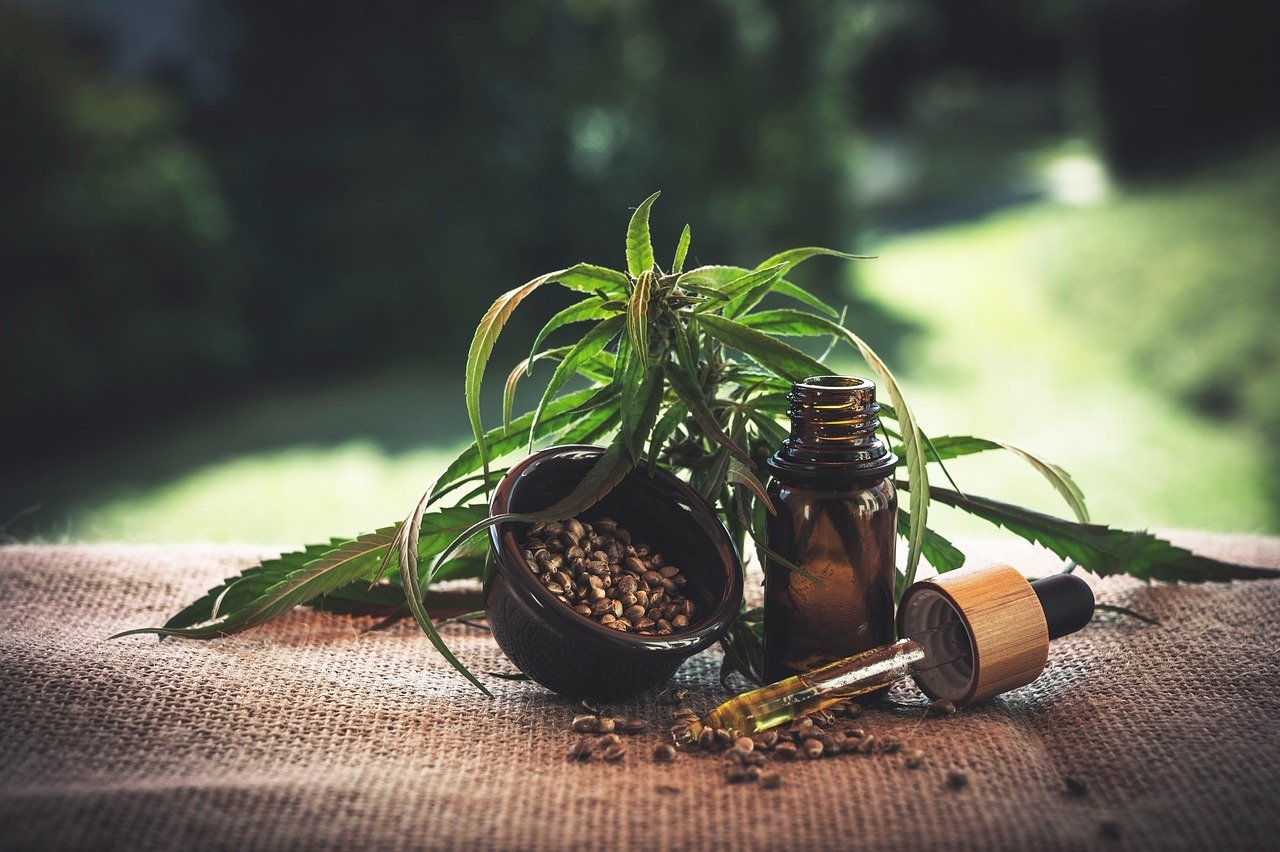
Can CBD Oil Help Your Health Anxiety? The Science Explained
Health anxiety, also known as illness anxiety disorder, is characterized by a preoccupation with having or acquiring a serious illness, despite having few or no somatic symptoms, or despite medical reassurance. This persistent worry can be debilitating, impacting daily life, relationships, and overall well-being. Individuals with health anxiety often engage in excessive health-related behaviors, such as repeatedly checking their body for signs of illness, seeking constant reassurance from doctors or loved ones, or avoiding situations they perceive as risky. The relentless cycle of fear and vigilance makes finding effective coping mechanisms crucial. Amidst a growing interest in alternative therapies for mental health, cannabidiol (CBD) oil has emerged as a potential aid for various anxiety disorders. Understanding the scientific basis behind CBD’s interaction with the body’s systems is key to evaluating its potential role in managing health anxiety.
CBD is one of over 100 cannabinoids found in the cannabis plant, Cannabis sativa. Unlike its well-known counterpart, tetrahydrocannabinol (THC), CBD is non-psychoactive, meaning it does not produce the “high” associated with marijuana use. This distinction is vital for individuals seeking therapeutic benefits without altered mental states. The scientific community has increasingly focused on CBD due to its promising pharmacological properties, including anti-inflammatory, analgesic, neuroprotective, and anxiolytic effects. These effects are primarily mediated through CBD’s complex interactions with the human endocannabinoid system (ECS), a vast regulatory network present throughout the central and peripheral nervous systems.
The ECS plays a fundamental role in maintaining homeostasis, influencing a wide range of physiological processes including mood, sleep, appetite, pain sensation, and immune response. It comprises endocannabinoids (cannabinoids produced naturally by the body), cannabinoid receptors (CB1 and CB2), and enzymes responsible for synthesizing and degrading endocannabinoids. CB1 receptors are predominantly found in the brain and central nervous system, where they modulate neurotransmitter release, affecting cognition, memory, and emotion. CB2 receptors are more prevalent in the peripheral nervous system and immune cells, involved in inflammation and pain. While CBD does not bind directly to CB1 and CB2 receptors with high affinity like THC, it modulates them indirectly and influences other non-cannabinoid receptor systems.
One of the primary mechanisms by which CBD is thought to exert its anxiolytic effects is through its interaction with the serotonin 5-HT1A receptor. Serotonin is a neurotransmitter that plays a critical role in mood regulation, sleep, and anxiety. Many conventional antidepressant and anti-anxiety medications, such as selective serotonin reuptake inhibitors (SSRIs), work by increasing serotonin levels in the brain. Research indicates that CBD acts as an agonist at the 5-HT1A receptor, meaning it mimics the action of serotonin, potentially enhancing serotonin signaling. This direct modulation of a key neurotransmitter system involved in anxiety offers a compelling scientific explanation for CBD’s observed calming effects. For individuals experiencing health anxiety, improved serotonin function could help temper the persistent worry and catastrophic thinking.
Beyond serotonin, CBD also influences the gamma-aminobutyric acid (GABA) system. GABA is the brain’s primary inhibitory neurotransmitter, responsible for reducing neuronal excitability and promoting relaxation. When GABA levels are low, the brain can become overstimulated, leading to feelings of anxiety, restlessness, and difficulty sleeping. While CBD’s exact interaction with GABA receptors is still being fully elucidated, some theories suggest it may enhance GABAergic signaling, either by directly binding to GABA-A receptors or by modulating their function. This potential enhancement of inhibitory neurotransmission could help to calm the overactive neural circuits often associated with anxiety, including the constant rumination characteristic of health anxiety.
Furthermore, CBD exhibits neuroprotective and anti-inflammatory properties that may indirectly contribute to its anxiolytic effects. Chronic stress and anxiety are known to induce neuroinflammation and oxidative stress, which can impair brain function and exacerbate mental health conditions. CBD’s ability to reduce inflammation and act as an antioxidant could mitigate these detrimental effects, potentially supporting overall brain health and resilience to stress. Some studies also suggest CBD may promote neurogenesis, the growth of new brain cells, particularly in the hippocampus, a brain region crucial for emotion regulation and memory. Improved hippocampal function could enhance an individual’s ability to cope with stressful situations and reduce the intensity of anxious responses.
While direct clinical trials specifically investigating CBD for health anxiety are currently limited, a growing body of evidence supports its efficacy for other forms of anxiety. Preclinical studies using animal models have consistently demonstrated CBD’s ability to reduce anxiety-like behaviors. Human studies, though still in their early stages, have shown promising results. For example, a significant study published in Neuropsychopharmacology found that CBD significantly reduced anxiety and cognitive impairment in patients with social anxiety disorder (SAD) during a simulated public speaking test. Participants who received CBD exhibited reduced subjective anxiety and objective measures of anxiety, such as heart rate and blood pressure, compared to a placebo group. Another review in Dialogues in Clinical Neuroscience highlighted CBD’s potential for generalized anxiety disorder (GAD), panic disorder, and post-traumatic stress disorder (PTSD), attributing its effects to modulation of the ECS and serotonin receptors.
The relevance of these findings to health anxiety lies in the shared neurobiological underpinnings of anxiety disorders. Health anxiety often involves a heightened state of physiological arousal, catastrophic thinking, and an inability to regulate fear responses – symptoms that overlap considerably with generalized and social anxiety. If CBD can effectively modulate the neural pathways involved in fear processing and emotional regulation in these broader anxiety contexts, it stands to reason it could offer similar benefits for health anxiety. By potentially reducing the overall baseline level of anxiety and improving the ability to manage stress, CBD might help individuals with health anxiety break free from the cycle of constant worry and reassurance-seeking.
However, it is crucial to approach CBD use with informed caution. The quality and purity of CBD products vary widely, as the industry is not yet fully regulated. Consumers should seek products from reputable manufacturers that provide third-party lab testing results to verify potency and absence of contaminants. Dosage is another critical consideration, as effective doses can differ significantly between individuals and for various conditions. Most research studies have utilized doses ranging from 25 mg to 300 mg or even higher per day, often administered orally. Starting with a low dose and gradually increasing it while monitoring effects is a common recommendation.
Potential side effects of CBD are generally mild and may include fatigue, dry mouth, diarrhea, and changes in appetite or weight. CBD can also interact with
Recent Comments