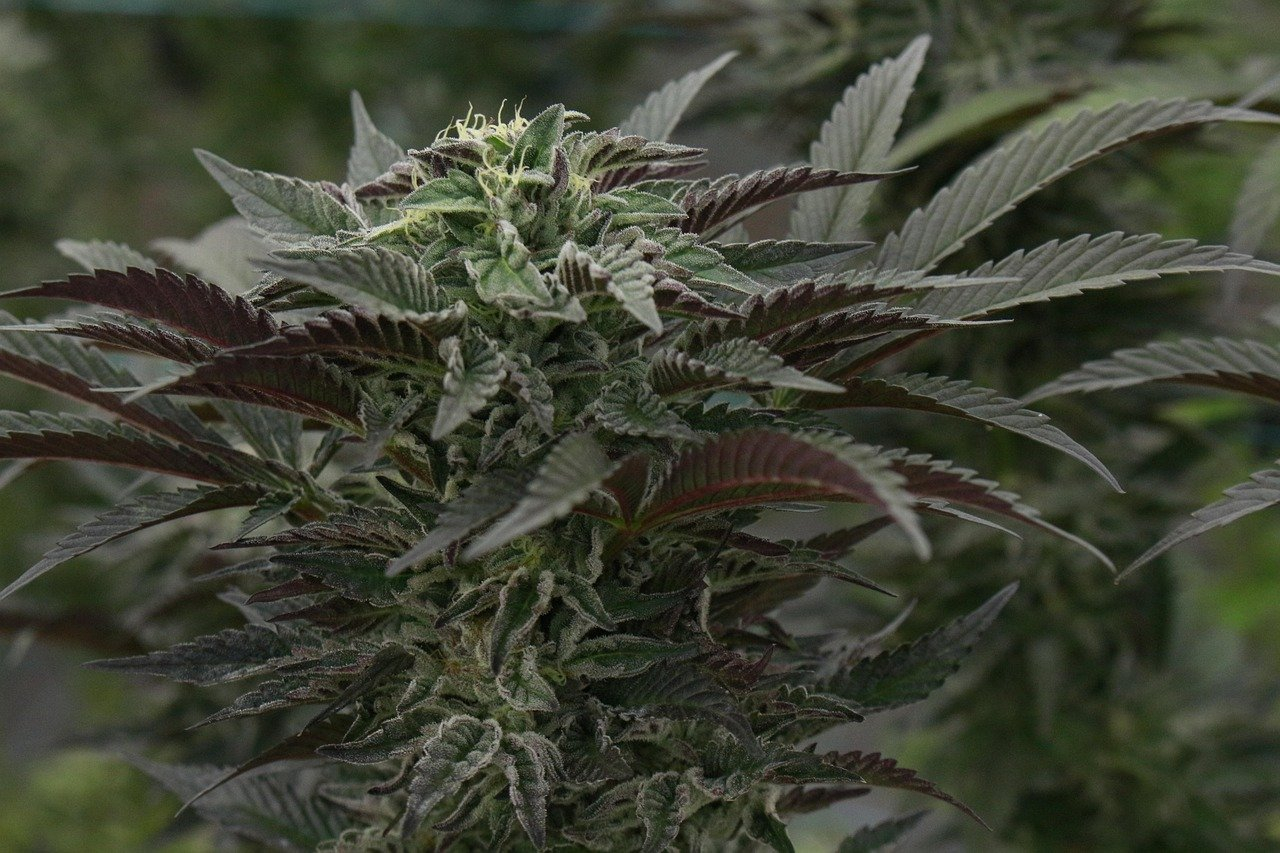
Marijuana for Pain Relief: A Comprehensive Guide to Medical Use
Understanding Pain and the Endocannabinoid System (ECS)
Chronic pain, affecting millions globally, can stem from various sources: nerve damage (neuropathic pain), inflammation (inflammatory pain), tissue damage (nociceptive pain), or a combination. Traditional pain management often relies on opioids, NSAIDs, and other medications, which can carry significant side effects and risks of addiction. This has spurred interest in alternative therapies, particularly medical marijuana.
The ECS, a complex network of receptors, enzymes, and endocannabinoids throughout the body, plays a crucial role in regulating various physiological processes, including pain perception, inflammation, mood, and sleep. The two primary cannabinoid receptors are CB1, predominantly found in the brain and nervous system, and CB2, mainly located in the immune system. Endocannabinoids, such as anandamide and 2-AG, bind to these receptors, modulating their activity.
Medical marijuana’s potential for pain relief stems from its ability to interact with the ECS. The two main active compounds in marijuana, tetrahydrocannabinol (THC) and cannabidiol (CBD), influence the ECS in different ways. THC binds directly to CB1 receptors, producing psychoactive effects and analgesic properties. CBD, on the other hand, has a more indirect effect, influencing the ECS by inhibiting the breakdown of endocannabinoids and interacting with other receptors involved in pain regulation, such as vanilloid receptors (TRPV1).
Types of Pain Medical Marijuana May Help Manage
Medical marijuana has shown promise in managing various types of pain, although research is ongoing and specific efficacy varies depending on the individual and the condition. Some of the pain conditions commonly explored for medical marijuana treatment include:
- Neuropathic Pain: This type of pain results from nerve damage and is often described as burning, shooting, or stabbing. Conditions like diabetic neuropathy, postherpetic neuralgia (shingles pain), and nerve damage from surgery or injury can cause neuropathic pain. Studies suggest that THC and CBD, particularly in combination, may help reduce neuropathic pain by modulating nerve signaling and reducing inflammation around the nerves.
- Inflammatory Pain: Inflammation is a key component of many pain conditions, including arthritis, inflammatory bowel disease (IBD), and autoimmune disorders. CBD’s anti-inflammatory properties are believed to contribute to its pain-relieving effects in these conditions. By reducing inflammation, CBD may help alleviate pain and improve joint function in arthritis, reduce abdominal pain and discomfort in IBD, and manage pain associated with autoimmune disorders.
- Chronic Back Pain: Back pain is a prevalent and often debilitating condition. Medical marijuana may help manage chronic back pain by reducing muscle spasms, alleviating inflammation, and modulating pain signals in the brain. Both THC and CBD may contribute to pain relief in back pain, with THC potentially providing immediate pain relief and CBD offering longer-term anti-inflammatory benefits.
- Cancer Pain: Cancer and cancer treatments can cause significant pain. Medical marijuana can help manage cancer pain by reducing nausea and vomiting associated with chemotherapy, improving appetite, and directly alleviating pain. THC and CBD may work synergistically to manage cancer pain, with THC providing analgesic effects and CBD potentially reducing inflammation and anxiety.
- Fibromyalgia: Fibromyalgia is a chronic condition characterized by widespread musculoskeletal pain, fatigue, and tenderness. While research on medical marijuana for fibromyalgia is still emerging, some studies suggest that it may help reduce pain, improve sleep, and alleviate anxiety in individuals with fibromyalgia.
- Migraines: Some individuals report that medical marijuana can help reduce the frequency and severity of migraines. THC and CBD may help by reducing inflammation in the brain and modulating pain pathways. However, more research is needed to fully understand the efficacy of medical marijuana for migraines.
Forms of Medical Marijuana and Administration Methods
Medical marijuana is available in various forms, each with its own advantages and disadvantages. The choice of form depends on individual preferences, medical condition, and desired effects. Common forms include:
- Flower (Smoking or Vaporizing): Smoking or vaporizing marijuana flower provides rapid onset of effects, allowing for immediate pain relief. However, smoking can irritate the lungs and may not be suitable for individuals with respiratory conditions. Vaporizing heats the flower without burning it, reducing the risk of respiratory irritation.
- Oils and Tinctures: Oils and tinctures are concentrated extracts of marijuana that can be taken sublingually (under the tongue) for rapid absorption into the bloodstream. This method allows for precise dosing and avoids the respiratory risks associated with smoking.
- Edibles: Edibles are marijuana-infused foods, such as gummies, chocolates, and baked goods. Edibles have a slower onset of effects compared to smoking or vaping, but the effects tend to last longer. It is crucial to start with a low dose of edibles, as the effects can be unpredictable.
- Topicals: Topicals, such as creams, lotions, and balms, are applied directly to the skin to relieve localized pain and inflammation. Topicals are absorbed through the skin and do not produce psychoactive effects, as they do not enter the bloodstream.
- Capsules and Pills: Capsules and pills offer a convenient and discreet way to consume medical marijuana. They provide a consistent dose and avoid the respiratory risks associated with smoking.
Dosage and Titration
Determining the appropriate dosage of medical marijuana is crucial for achieving pain relief while minimizing side effects. Dosage varies depending on individual factors, such as weight, metabolism, pain severity, and tolerance to THC. It is essential to start with a low dose and gradually increase it until the desired effects are achieved. This process is called titration.
A healthcare professional experienced in medical marijuana can provide guidance on dosage and titration based on individual needs. It is important to keep a detailed record of dosage, effects, and any side effects experienced.
Potential Side Effects and Risks
Medical marijuana can cause side effects, although they are generally mild and well-tolerated. Common side effects include:
- Dry mouth
- Dizziness
- Drowsiness
- Anxiety
- Paranoia
- Impaired cognitive function
These side effects are typically dose-dependent and can be minimized by starting with a low dose and gradually increasing it.
Medical marijuana may interact with certain medications, such as blood thinners, antidepressants, and sedatives. It is essential to inform your healthcare provider about all medications and supplements you are taking before using medical marijuana.
Long-term use of marijuana may lead to dependence and withdrawal symptoms. It is important to use medical marijuana responsibly and under the guidance of a healthcare professional.
Legality and Access
The legality of medical marijuana varies by state and country. It is essential to be aware of the laws in your jurisdiction before using medical marijuana. In many states, individuals with qualifying medical conditions can obtain a medical marijuana card, which allows them to purchase and possess medical marijuana from licensed dispensaries.
Access to medical marijuana may be limited in some areas. It is important to research the availability of medical marijuana in your area and consult with a healthcare professional to determine if it is a suitable treatment option for you.
Communicating with Your Healthcare Provider
Open and honest communication with your healthcare provider is crucial when considering medical marijuana for pain relief. Be sure to discuss your pain condition, current medications, and any concerns you may have. Your healthcare provider can help you determine if medical marijuana is a safe and appropriate treatment option for you and provide guidance on dosage, administration, and potential side effects. They can also help you monitor your progress and adjust your treatment plan as needed.
Future Research and Considerations
Research on medical marijuana for pain relief is ongoing, and new studies are constantly emerging. Future research will focus on identifying specific cannabinoids and cannabinoid ratios that are most effective for different types of pain, developing more precise dosing guidelines, and evaluating the long-term effects of medical marijuana use. As research progresses, our understanding of the potential benefits and risks of medical marijuana for pain relief will continue to evolve.
Recent Comments