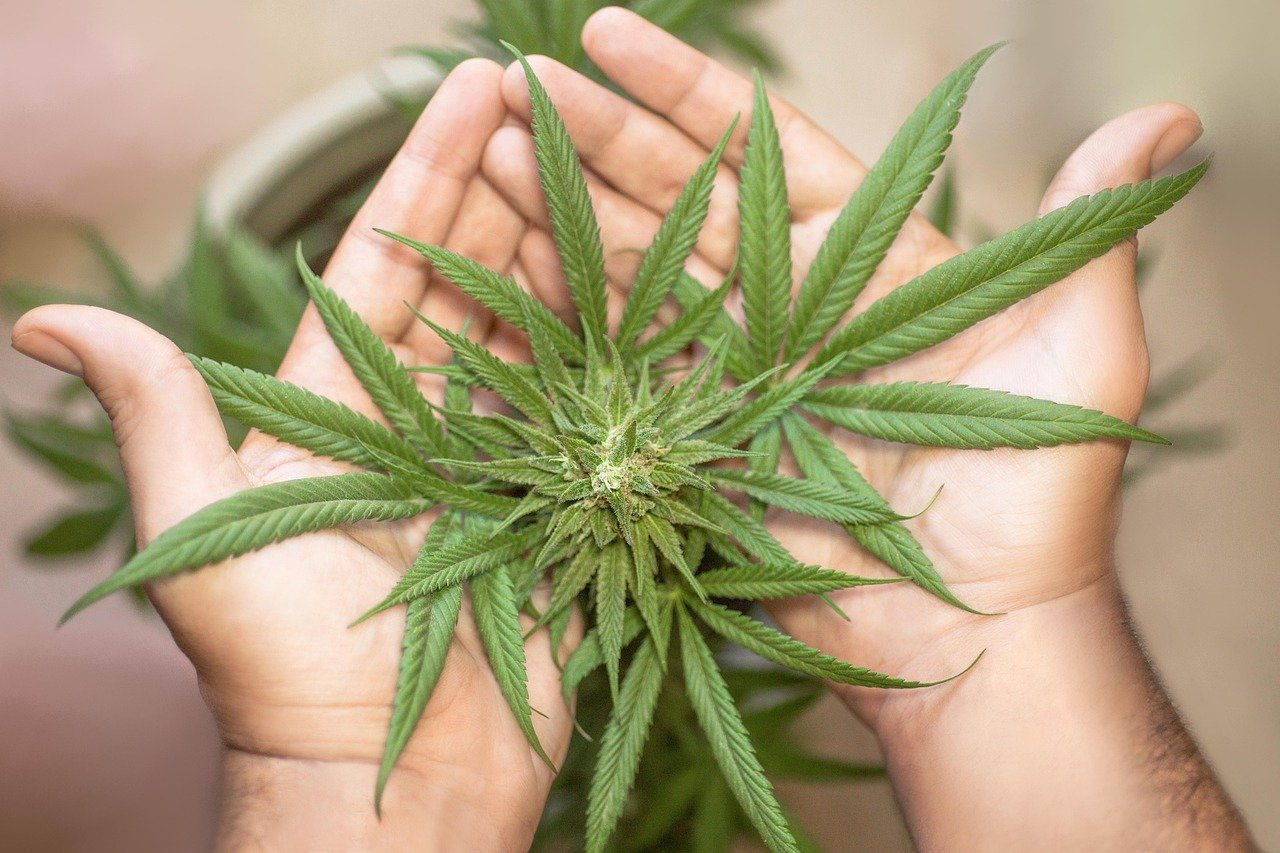
Here’s a 1000-word article on the potential benefits and uses of marijuana, optimized for SEO and readability.
Navigating the Complex Landscape of Cannabis
The cannabis plant, commonly known as marijuana or weed, has a long and complex history, marked by periods of prohibition and increasing acceptance. While its recreational use remains a subject of debate and varies widely by jurisdiction, a growing body of research is illuminating its potential therapeutic benefits. Understanding these potential benefits requires a nuanced approach, acknowledging both the promise and the potential risks associated with its use.
Understanding the Chemical Composition: Cannabinoids and Terpenes
Marijuana’s effects stem from its intricate chemical composition. The most well-known compounds are cannabinoids, primarily tetrahydrocannabinol (THC) and cannabidiol (CBD). THC is the psychoactive compound responsible for the “high” associated with marijuana, while CBD is non-psychoactive and often touted for its therapeutic potential.
Beyond THC and CBD, hundreds of other cannabinoids and terpenes contribute to the overall effect, known as the “entourage effect.” Terpenes are aromatic compounds that give different strains of marijuana their distinct scents and flavors. They also interact with cannabinoids to modulate their effects, potentially enhancing or altering their therapeutic properties. Examples include:
- Myrcene: Known for its sedative and muscle-relaxant properties.
- Limonene: Associated with mood elevation and stress relief.
- Pinene: Potentially beneficial for memory and alertness.
- Linalool: Possesses calming and anti-anxiety effects.
- Caryophyllene: May have anti-inflammatory and pain-relieving properties.
The specific combination of cannabinoids and terpenes varies significantly between different strains, influencing their effects on the user.
Potential Therapeutic Applications: Examining the Evidence
Research into the therapeutic potential of marijuana is ongoing, but several areas show significant promise.
-
Pain Management: One of the most commonly cited uses of marijuana is for chronic pain management. Studies suggest that cannabinoids can interact with the body’s endocannabinoid system, a network of receptors involved in regulating pain perception, inflammation, and immune response. Marijuana may offer relief from neuropathic pain (nerve damage), inflammatory pain (arthritis), and pain associated with cancer. However, it’s crucial to note that marijuana may not be effective for all types of pain, and its long-term efficacy requires further investigation.
-
Anxiety and Depression: While some individuals report that marijuana helps alleviate anxiety and depression, it’s a complex issue. High doses of THC can exacerbate anxiety in some individuals, while low doses, particularly of CBD-rich strains, may offer calming effects. The effectiveness of marijuana for anxiety and depression depends heavily on the individual, the specific strain, dosage, and method of consumption. It’s essential to consult with a healthcare professional before using marijuana for these conditions, as it can interact with other medications and potentially worsen existing mental health issues.
-
Epilepsy and Seizure Disorders: CBD has shown significant promise in treating certain types of epilepsy, particularly in children with rare and severe forms like Dravet syndrome and Lennox-Gastaut syndrome. The FDA has approved Epidiolex, a CBD-based medication, for these conditions. Research suggests that CBD can reduce the frequency and severity of seizures in some individuals, although the exact mechanisms are still being investigated.
-
Nausea and Vomiting: Marijuana has a long history of use for alleviating nausea and vomiting, particularly in patients undergoing chemotherapy. THC and other cannabinoids can stimulate appetite and reduce nausea, making it a valuable tool for managing chemotherapy-induced side effects. Synthetic cannabinoids, such as dronabinol and nabilone, are also available as prescription medications for this purpose.
-
Multiple Sclerosis (MS): Marijuana may help manage some of the symptoms associated with MS, such as muscle spasticity, pain, and bladder dysfunction. Studies suggest that cannabinoids can reduce muscle stiffness and improve mobility in some individuals with MS.
-
Glaucoma: Marijuana has been shown to lower intraocular pressure (IOP), a major risk factor for glaucoma. However, the effects are short-lived, and other more effective treatments are available. Due to its short duration of action and potential side effects, marijuana is generally not considered a first-line treatment for glaucoma.
-
Sleep Disorders: Certain strains of marijuana, particularly those high in myrcene, are often used to promote sleep. While some individuals find it helpful, it’s crucial to be aware that long-term use can disrupt sleep cycles and lead to dependency.
Methods of Consumption: A Diverse Range of Options
Marijuana can be consumed in various ways, each with its own onset time, duration of effects, and potential health risks.
-
Smoking: The traditional method of consuming marijuana involves smoking dried flower in joints, pipes, or bongs. Smoking delivers THC rapidly to the bloodstream, resulting in a quick onset of effects. However, smoking also exposes the user to harmful combustion byproducts, potentially increasing the risk of respiratory problems.
-
Vaporizing: Vaporizing involves heating marijuana to a temperature that releases cannabinoids and terpenes without burning the plant material. This method is generally considered less harmful than smoking, as it reduces exposure to combustion byproducts.
-
Edibles: Edibles are food products infused with marijuana. The effects of edibles are typically delayed, as THC is absorbed through the digestive system. This can lead to accidental overconsumption, particularly for inexperienced users. Edibles can also produce more intense and prolonged effects compared to smoking or vaping.
-
Tinctures: Tinctures are liquid extracts of marijuana that are typically placed under the tongue for sublingual absorption. This method allows for relatively rapid onset of effects and precise dosing.
-
Topicals: Topicals are creams, lotions, and balms infused with marijuana that are applied directly to the skin. Topicals are often used for localized pain relief and inflammation.
Potential Risks and Side Effects: A Balanced Perspective
While marijuana offers potential therapeutic benefits, it’s essential to be aware of the potential risks and side effects.
-
Cognitive Impairment: THC can impair cognitive function, including memory, attention, and decision-making. These effects can be particularly pronounced in adolescents and young adults, whose brains are still developing.
-
Respiratory Problems: Smoking marijuana can irritate the lungs and increase the risk of chronic bronchitis and other respiratory problems.
-
Mental Health Issues: Marijuana use has been linked to an increased risk of psychosis, particularly in individuals with a predisposition to mental illness. It can also worsen symptoms of anxiety and depression in some individuals.
-
Addiction: Marijuana can be addictive, particularly with frequent and heavy use. Symptoms of marijuana withdrawal can include irritability, anxiety, sleep disturbances, and decreased appetite.
-
Drug Interactions: Marijuana can interact with other medications, potentially altering their effects.
-
Driving Under the Influence: Driving under the influence of marijuana is illegal and dangerous. THC can impair coordination, reaction time, and judgment, increasing the risk of accidents.
-
Long-Term Effects: More research is needed to fully understand the long-term effects of marijuana use, particularly on brain development and mental health.
Legal Considerations: Navigating a Patchwork of Regulations
The legal status of marijuana varies widely across the globe and within different jurisdictions. Some countries and states have legalized marijuana for both medical and recreational use, while others maintain strict prohibitions. It’s crucial to be aware of the local laws and regulations regarding marijuana use, possession, and cultivation.
The Importance of Consulting with a Healthcare Professional
Before using marijuana for any medical condition, it’s essential to consult with a qualified healthcare professional. They can assess your individual needs, weigh the potential benefits and risks, and provide guidance on appropriate dosage and method of consumption. Self-treating with marijuana can be dangerous and may interfere with other medical treatments.
This information is for educational purposes only and should not be considered medical advice. Always consult with a healthcare professional before using marijuana for any medical condition.
Recent Comments