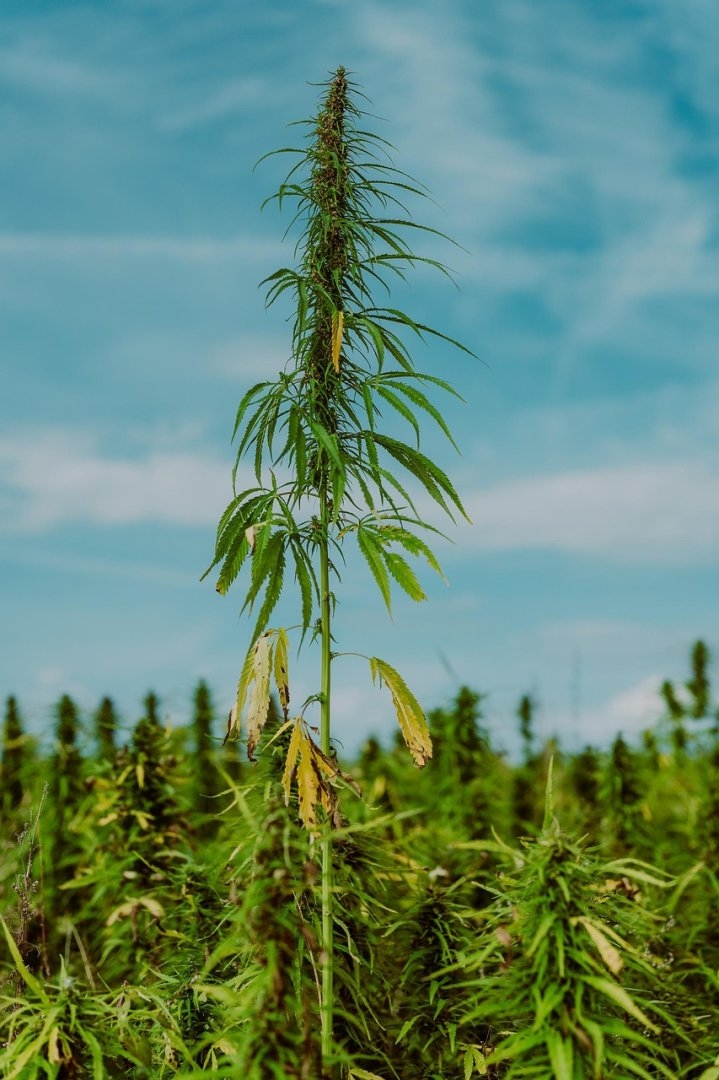
The historical narrative surrounding marijuana, or cannabis, has long been dominated by a powerful stigma, rooted in decades of prohibitionist propaganda and racially charged legislation. For nearly a century, cannabis was demonized, portrayed as a dangerous gateway drug leading to addiction and societal decay, a perception meticulously crafted during the early 20th century to justify its outlawing. This pervasive negative image overshadowed any potential benefits, effectively stifling scientific inquiry and public discourse. The plant’s association with counterculture movements in the mid-20th century further solidified its pariah status, embedding a deep-seated fear and misunderstanding into the collective consciousness, significantly impeding its reevaluation for legitimate applications.
However, a profound shift is underway, moving cannabis from the shadows of criminalization into the spotlight of scientific scrutiny and public acceptance. The reevaluation of marijuana’s role began subtly, driven by a growing body of anecdotal evidence and persistent advocacy for its therapeutic potential. Patients suffering from debilitating conditions, for whom conventional medicine offered little relief, started reporting significant improvements with cannabis use. This grassroots movement ignited a demand for medical cannabis research and access, challenging the monolithic narrative of harm and opening the door for a more nuanced understanding of the plant’s complex biochemistry.
Central to this reevaluation is a deeper understanding of cannabis’s primary active compounds: tetrahydrocannabinol (THC) and cannabidiol (CBD). THC, the psychoactive component, is responsible for the “high” associated with marijuana, but it also possesses notable analgesic, anti-inflammatory, and antiemetic properties. CBD, conversely, is non-intoxicating and has garnered immense attention for its therapeutic potential, including anti-seizure, anxiolytic, and neuroprotective effects. Differentiating these cannabinoids has allowed for the development of targeted cannabis products, moving beyond the simplistic “marijuana equals intoxication” paradigm and highlighting the plant’s diverse pharmacological capabilities for various medical conditions.
The therapeutic applications of medical cannabis are expanding rapidly, supported by an increasing volume of clinical research. Beyond its well-established use for chronic pain management, cannabis has shown promise in treating intractable epilepsy, reducing muscle spasms in multiple sclerosis patients, alleviating nausea and vomiting from chemotherapy, and managing symptoms of post-traumatic stress disorder (PTSD) and anxiety. Emerging studies also explore its potential in glaucoma, inflammatory bowel disease, and even certain neurodegenerative disorders. This burgeoning evidence base is dismantling old prejudices, demonstrating that cannabis is a legitimate therapeutic agent with a wide array of potential benefits for patient populations globally.
Economically, the legalization of recreational and medical cannabis has proven to be a significant driver of growth, transforming state budgets and creating entirely new industries. States that have legalized cannabis report substantial tax revenues, which are often earmarked for public services, education, or infrastructure projects. The cannabis industry is a job creation engine, generating employment across cultivation, processing, retail, marketing, and ancillary services like security, legal, and financial sectors. This economic boom extends beyond direct cannabis sales, stimulating investment and innovation, and establishing a robust marketplace that contributes billions to the national economy, proving the plant’s financial significance.
The reevaluation of marijuana also intersects powerfully with social justice and equity issues. Decades of prohibition disproportionately impacted marginalized communities, leading to mass incarceration and cycles of poverty. As legalization progresses, there is a critical focus on restorative justice initiatives, including expunging past cannabis-related convictions and creating equitable opportunities for individuals from communities historically harmed by the War on Drugs. Efforts to ensure diversity in cannabis business ownership and provide resources for those seeking to enter the industry are essential components of this new paradigm, aiming to correct historical wrongs and foster a more inclusive economic landscape for all participants.
Public health considerations remain paramount in the ongoing reevaluation. Regulatory frameworks are being developed to ensure consumer safety, product quality, and responsible consumption. This includes rigorous testing for contaminants, accurate labeling of cannabinoid content, and strict age restrictions. Addressing potential public health challenges, such as impaired driving and youth access, requires ongoing education campaigns and robust enforcement. The goal is to maximize the public health benefits of cannabis access while mitigating potential risks, fostering a balanced approach that prioritizes well-being through informed policy decisions and continuous monitoring of public health outcomes.
Culturally, cannabis is shedding its illicit image and integrating into mainstream wellness and lifestyle trends. Products ranging from CBD-infused beverages and topicals to precisely dosed edibles are marketed for stress relief, sleep improvement, and general well-being, reflecting a shift towards cannabis as a natural adjunct to a healthy lifestyle
Recent Comments